Oxigen: Clean, Simple, and Strong
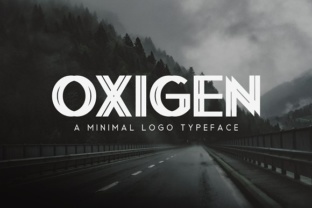
Some fonts try too hard. They shout, they twist, they layer on decorative flourishes until the message gets lost in the noise. Then there’s Oxigen — a clean, simple yet strong font that does something far more difficult: it gets out of the way and lets your content breathe. For graphic designers, brand strategists, and creative directors who value clarity over clutter, Oxigen represents a return to functional elegance. Its straightforward geometry, balanced proportions, and subtle confidence make it a go-to choice for projects where legibility and impact must coexist without compromise.
What Makes Oxigen Stand Out in Modern Design
In a landscape flooded with novelty typefaces, Oxigen earns its place through restraint. The letterforms are unembellished but far from bland. Each character carries a sturdy, upright posture with generous apertures that enhance readability even at small sizes. The x-height is slightly elevated, which improves screen legibility for UI design and web design applications. Meanwhile, the consistent stroke weight and clean terminals give it a polished, professional finish that translates seamlessly from print to digital. This balance of simplicity and strength means Oxigen works just as well in a headline as it does in body copy — a versatility that busy design workflows rarely find in a single typeface.
Practical Applications Across Creative Projects
Oxigen’s adaptability makes it a reliable workhorse across nearly every medium you encounter. Here are just a few ways designers are putting it to use:
- Branding and logo design — Its clean lines and neutral personality pair well with both minimalist and bold brand identities, offering flexibility in color palette and iconography.
- Marketing materials and advertising campaigns — Whether on a billboard or a brochure insert, Oxigen maintains legibility at scale while projecting a modern, trustworthy tone.
- Social media graphics and digital products — The font renders crisply on mobile screens and holds up under compression, making it ideal for Instagram stories, LinkedIn banners, and app interfaces.
- Editorial design and packaging design — Magazines, lookbooks, and product packaging benefit from Oxigen’s uncluttered appearance, which helps visual hierarchy guide the reader naturally.
- Presentations and merchandise — From corporate pitch decks to branded T-shirts, the typeface communicates consistency and care without drawing attention to itself.
How Oxigen Supports Brand Identity and Visual Communication
Typography is the foundation of any brand identity. The wrong font can undermine months of strategic work; the right one can elevate a whole campaign. Oxigen succeeds because it offers neutrality with character. It doesn’t impose a specific mood — instead, it adapts to the tone you set through imagery, color, and layout. For UX design and UI design, this neutrality is invaluable. Users read effortlessly, scan quickly, and absorb information without friction. In print design, the same clarity reduces eye strain and improves retention. When you’re building a cohesive visual design system, consistency across touchpoints matters, and Oxigen delivers that uniformity without sacrificing personality.
Tips for Integrating Oxigen Into Your Design Workflow
To get the most out of Oxigen, consider these practical strategies:
- Pair it with a contrasting serif for editorial layouts — Oxigen’s sans-serif simplicity creates a dynamic tension that adds depth to magazine spreads and long-form content.
- Use weight variation intentionally — The font family includes multiple weights that allow you to establish clear visual hierarchy without switching typefaces, keeping your brand identity clean and unified.
- Test on real devices — Before finalizing any web design or app interface, check Oxigen’s performance across screen sizes to ensure kerning and line height remain comfortable.
- Combine with a restrained color palette — Because Oxigen is understated by nature, it pairs beautifully with bold accent colors or neutral backgrounds, letting your design inspiration guide the emotional tone.
Why Thoughtful Typography Elevates Every Creative Asset
Designers often spend hours perfecting imagery, layout, and color palette, yet typography can make or break the final result. Oxigen exemplifies the principle that less is more. Its clean, simple, and strong structure doesn’t just look good — it works harder. Whether you’re designing for digital marketing, packaging design, or editorial design, the typeface supports your message rather than competing with it. This reliability frees you to focus on composition, storytelling, and user experience, knowing the typography will hold its own. In an era where audiences are bombarded with visual noise, fonts like Oxigen offer a quiet confidence that resonates. The best creative assets don’t just catch the eye — they communicate clearly, and Oxigen helps you do exactly that.