Sakra: A Font Duo Built for Real Projects
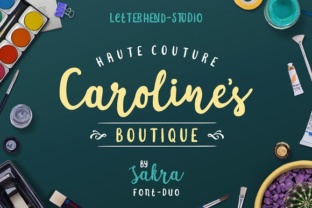
You know that moment when you find a font that almost works, but then you need a second style to pair with it, and suddenly you’re spending an hour scrolling through options? Sakra eliminates that headache. It’s a font duo made up of a clean regular typeface and a flowing script, designed to be used together from the start. Instead of forcing two mismatched fonts to cooperate, you get a set where each half complements the other naturally. Whether you’re putting together a brand identity, a social media post, or a printed invitation, Sakra gives you that polished, intentional look without the guesswork.
Where Sakra Fits Into Everyday Creative Work
Fonts aren’t just for designers. Small business owners, bloggers, freelancers, and even educators need typefaces that work across different materials. Sakra’s duo structure makes it useful in a surprising number of everyday situations.
Branding for Small Businesses
If you run a coffee shop, a handmade soap line, or a photography studio, your brand needs consistency. The regular font in Sakra works well for your logo’s main wordmark—clean, readable, and professional. The script version becomes your accent: used for taglines, menu headings, or “about” sections on your website. Imagine a bakery with the name in the regular weight and “artisan breads since 2015” in the script. That simple pairing tells customers you’re both modern and crafted. Small business owners save time because they don’t need to hunt for a second font that matches. Sakra already does the pairing for you.
Invitations and Event Materials
Wedding invitations, birthday party cards, or workshop flyers often need a mix of formal and playful. The script part of Sakra brings a hand-lettered feel that works beautifully for names or special phrases. The regular face handles logistics—dates, addresses, times—without competing for attention. A wedding invite might have the couple’s names in script and the ceremony details in regular. Guests read the important info clearly while still getting that elegant, romantic vibe. For a freelance event planner, this means one font duo covers both the save-the-date and the thank-you card.
Social Media Graphics
Creators on Instagram, Pinterest, or YouTube need quick visuals that stand out. Using Sakra for your quote cards, thumbnails, or promotional images gives you a consistent look across posts. The regular works well for longer text or captions within the graphic, while the script highlights a single word or hashtag. For a travel blogger posting about a new destination, the location name in script over a scenic photo draws the eye. Then the details below in regular keep the post scannable. No more switching between twenty fonts to get the right mood.
Websites and Blogs
Typography on a site affects how long visitors stay. The regular font in Sakra is readable enough for body text, especially at larger sizes or for short paragraphs. The script works for headings, pull quotes, or navigation labels like “about” or “contact.” A lifestyle blogger could use the script for her blog title header and the regular for each post’s introductory line. The result feels cohesive without looking cluttered. Since Sakra’s two faces share similar proportions and x-heights, they sit well together on a screen, which matters when someone is reading on their phone.
Product Packaging and Labels
If you sell physical products—candles, skincare, homemade granola—your label is often the first thing a customer sees. The regular font conveys ingredient lists or weight information clearly. The script adds that handmade touch for the product name or a short description like “small batch” or “vegan friendly.” A soap maker could use the script for the fragrance name (e.g., “Lavender & Honey”) and the regular for the rest of the label. The pairing makes the product feel both artisanal and trustworthy. Plus, you avoid the headache of finding a script that matches your existing regular font.
Educational Materials
Teachers, tutors, and online course creators often need worksheets, slides, or handouts that are clear but not boring. Use the regular weight for instructions and questions. Use the script for headers, special hints, or your name at the bottom. A middle school science teacher could create a lab report template with the script for “Procedure” and “Results” and regular for the numbered steps. Students find it easier to follow, and the design looks more intentional than standard Arial. Freelance educators who develop their own curriculum materials benefit from a font duo that adds personality without sacrificing readability.
Why Designers and Non-Designers Alike Reach for Sakra
One of the biggest challenges with typography is achieving harmony between different fonts. Sakra solves that by offering two faces that were designed as a pair. You don’t have to guess whether your script matches your sans-serif or worry about conflicting styles. The regular font has a neutral, friendly feel that works for a wide range of content. The script is legible and doesn’t overdo the flourishes, so it still feels modern rather than overly ornamental. That balance makes it usable for both professional creative projects and everyday tasks like making a flyer for your small business.
Time is another factor. Instead of browsing font libraries for hours, you grab Sakra and know immediately how to use it. The script is great for short phrases, the regular for everything else. If you’re a marketer putting together a pitch deck, you can set client names or section titles in script and the bullet points in regular. The consistency builds a visual rhythm that makes your slides look cohesive. For a freelancer working on a tight deadline, that speed matters.
Another reason people stick with Sakra is that it scales well across formats. A logo in the script looks good on a website header, a business card, or a social media profile picture. The regular font holds up at small sizes for captions or metadata. This versatility means you can use Sakra for almost every part of a project, which saves you from needing multiple font families. For a hobbyist making a family reunion invitation, the same duo covers the title, the schedule, and the RSVP details.
What to Keep in Mind Before Using Sakra
No font is perfect for every situation, and Sakra has strengths and limits worth knowing before you commit. Understanding these will help you get better results.
Readability for Body Text
The regular font works well for short to medium-length text—think paragraphs on a business card, a few sentences on a website hero section, or lists. But if you’re writing a long article or a report, the regular weight may feel too condensed for continuous reading on a screen. In those cases, use it for headings and switch to a more traditional body font like a serif or a taller sans-serif. The script is definitely not for large blocks of text; it’s best for short accents. Keep this in mind when designing a multi-page document.
Appropriate Scaling
Sakra’s script has some swashes and connecting lines that look great at medium to large sizes. At very small sizes (below 12 points), those details may blur or become hard to read. If you’re using the script for something like a fine-print footnote, it might not work. Stick to the regular for tiny text. Also, test the duo at different sizes together. A large script heading above regular body text should have enough contrast in size to avoid feeling cramped. A good rule of thumb: make the script at least two sizes larger than the regular when used together.
Licensing and File Formats
Before buying or downloading Sakra, check what the license covers. Some font duos come with a standard desktop license, which is fine for print projects and personal use. If you plan to use it in a commercial product like a logo for a client or on a high-traffic website, you might need an extended license. Also confirm you get both regular and script files, and in the formats you need (OTF, TTF, WOFF for web). If you’re a web developer or a blogger, make sure the font is web-optimized and works across browsers.
Pairing with Other Fonts
While Sakra works well as a duo, sometimes you want an additional font for specific purposes. For example, if you use the regular for subheadings and body, you might add a different serif for a more traditional feel. Just be careful that the extra font doesn’t clash with Sakra’s style. Because Sakra has a relatively neutral look, it pairs well with many geometric sans-serifs and classic serifs. Test a few combinations at small sizes to confirm they don’t compete. The goal is to let Sakra’s duo remain the focal point, not overshadow it.
Testing in Various Contexts
What looks good on a monitor may not print well or might read differently on a mobile screen. Always test Sakra in the actual medium you’ll use. Print a sample of your label at actual size. Preview your website on a phone and a tablet. Sometimes the script’s connecting lines can cause spacing issues if the font isn’t properly kerned. Most quality fonts handle this well, but it’s worth checking. If you’re sharing a PDF with a client, ask them to test it on their computer, too. These small steps prevent surprises when your project launches.
Finally, consider your brand’s tone. Sakra’s regular is friendly and modern, while the script adds a warm, personal touch. That combination suits industries like wellness, food, fashion, and education. If you have a very corporate or technical brand, you might find the script too casual. But for the wide range of creators, entrepreneurs, and educators that the font duo is designed for, it hits a sweet spot between professional and inviting.
When you choose Sakra, you’re picking more than two fonts. You’re picking a foundation that helps your projects look collected and intentional. From a bakery menu to a course workbook, the regular and script work together to make your message clear and attractive. Real projects need tools that save time and reduce friction. Sakra does that by giving you a ready-made pair that you can drop into your next design without second-guessing. Whether you’re a seasoned designer or someone making their first flyer, that kind of simplicity makes a real difference.