Ornexo: A Playful Handwritten Typeface for Creatives
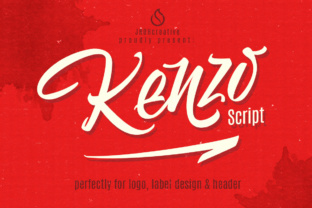
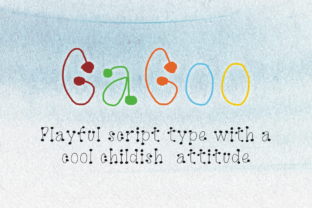
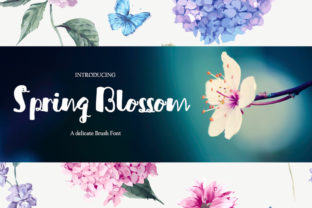
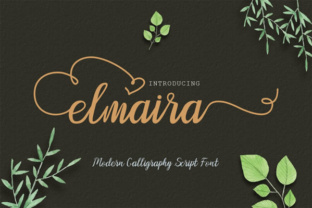
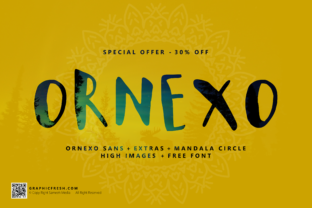
Hand-drawn typefaces bring a warmth that clean sans-serifs often lack. Ornexo captures that human touch with a distinctly playful personality. It is a handwritten font built for projects that need energy, imperfection, and a sense of motion. Unlike rigid geometric fonts, Ornexo feels alive. Every letter carries a slight bounce, making it ideal for brands and creators who want to communicate approachability and originality.
The font family consists of two complementary styles under the name Brush Sans. One style leans toward a bold, painterly stroke, while the other offers a lighter, more delicate handwritten form. Together, they create a system that is both cohesive and flexible. You can use them on their own, layer them for contrast, or pair them to build a textured visual language. This dual-style setup is what makes Ornexo stand out in a crowded space of handwriting fonts.
What Makes Ornexo Interesting and Useful
Most handwritten fonts come in a single weight or style. Ornexo breaks that pattern by offering two distinct voices within the same family. The Brush Sans styles share a common DNA but express it differently. One feels like a marker on paper. The other reads like a quick pen sketch. This gives you more control over tone and hierarchy without leaving the font family.
The letterforms have irregular baseline shifts and varied stroke widths, which add visual rhythm. There is no sterile uniformity here. Each character feels like it was drawn, not typed. That authenticity connects with audiences who are tired of polished, corporate typography. For a small business owner or a freelancer, this means your materials can look bespoke without hiring a lettering artist.
The dual styles also solve a practical problem: how to keep handwritten text readable at different sizes. Use the bolder style for headlines and titles. Switch to the lighter style for body copy or captions. The contrast is noticeable but not jarring, so the overall look stays consistent.
Creative Possibilities and Applications
Ornexo works across many formats and platforms. Its raw, playful nature makes it a strong choice for projects that need personality. Below are some ways different users can adapt the font for their goals.
Branding and Logo Design
If you are branding a coffee shop, a creative agency, or a handmade product line, Ornexo adds character that feels custom. Use the bolder style for a logo wordmark. The textured strokes suggest a hand-painted sign. Pair it with the lighter style for a tagline or secondary text on packaging. The result looks artisanal without being fussy. For a bakery brand, you might use the bold style for the shop name on bags and the lighter style for ingredient lists on labels.
A designer working on a wine label could use the bold Brush Sans for the brand name and the lighter style for the varietal or region. This builds hierarchy through texture rather than size alone. The handwritten quality also signals small-batch production, which matters to consumers looking for authentic products.
Social Media and Digital Content
Marketers and content creators can use Ornexo to break away from overly polished social media templates. The font works well for Instagram stories, quote cards, and video titles. Its playful tone suits content that is personal, inspirational, or behind-the-scenes. For example, a travel blogger might use the lighter style for destination names and the bold style for call-to-action buttons like “Join the adventure.”
Because both styles are legible at smaller sizes, they work for mobile-first layouts. The irregular baselines keep the text from looking too stiff against candid photos. For a weekly newsletter header, alternating the two styles can signal section changes without adding extra graphic elements.
Packaging and Product Design
Product packaging often relies on fonts that feel natural and approachable. Ornexo fits this need perfectly. Use the bolder style for product names on boxes or jars. The lighter style works for descriptions, ingredients, or care instructions. A small business selling handmade candles could print the scent name in the bold style and “hand-poured in small batches” in the lighter style. This creates a clear visual hierarchy and reinforces the handmade value.
For subscription box packaging, mix the two styles across panels. The main box face can feature the bold style for the brand name, while the side panel uses the lighter style for a personal note. This adds a layer of discovery when customers turn the box around.
Editorial and Print Projects
Magazines, zines, and brochures can benefit from Ornexo’s dual nature. Use the bold style for pull quotes, chapter titles, or section headers. The lighter style works for captions, bylines, or short notes. In a zine about street art, the font’s imperfect edges match the subject matter. A publisher producing a small-run cookbook could use Ornexo for recipe titles and ingredient lists, creating a friendly, manual feel that contrasts with instructional photos.
Educators and bloggers developing worksheets or educational handouts can use the two styles to separate instructions from examples. The bold style highlights key terms, while the lighter style provides reading text. This visual separation helps learners follow the material more easily.
How Different Users Can Adapt Ornexo
The font’s flexibility means it can be tuned to different audiences and contexts. Here are practical approaches for specific user groups.
- Graphic designers can create brand systems by assigning one style to primary messaging and the other to secondary info. For a client’s rebrand, use the bold style on the homepage hero and the lighter style for navigation labels.
- Freelancers and solopreneurs can personalize invoices, proposals, and social media bios. The bold style works for your name or business name, while the lighter style adds a hand-written note that builds connection.
- Marketers running campaigns can use Ornexo for limited-time offers or seasonal messaging. Its playful tone signals something special or different from standard communications.
- Hobbyists and makers printing at home can use the font for labels, gift tags, or party decorations. The two styles let you create polished DIY projects without needing professional design skills.
- Educators and course creators can use Ornexo for presentation titles and handout headers. The handwritten look makes material feel less formal and more approachable for learners.
Keeping Results Clear and Effective
Playful typefaces can hurt readability if used without care. Ornexo’s two styles help, but you still need to follow basic typography principles. Keep these recommendations in mind.
- Establish hierarchy early. Decide which style will carry the most weight. Use the bolder style for primary elements and the lighter one for supporting content. Stick to this rule across your project for consistency.
- Watch letter spacing. Handwritten fonts often need slight tracking adjustments, especially at larger sizes. Increase spacing between uppercase letters in the bolder style to prevent them from feeling cramped.
- Avoid overusing both styles in the same sentence. Mix them for different sections or lines, not within the same word or phrase. This keeps the contrast intentional rather than chaotic.
- Test readability at small sizes. The lighter style may lose legibility at very small point sizes. For body text below 12px, consider pairing Ornexo with a clean sans-serif font for long reading passages.
- Limit the number of typefaces. Because Ornexo offers two distinct styles, you do not need to add more fonts. A simple pairing with one neutral font (like a basic serif or sans-serif) is often enough.
Practical Inspiration for Real Projects
To make the ideas concrete, here are three realistic project examples using Ornexo.
Example 1: A pop-up café menu. Use the bold Brush Sans for the drink names (e.g., “Cold Brew,” “Matcha Latte”). Use the lighter style for descriptions and prices. Print on uncoated kraft paper to match the tactile feel. The contrast helps customers scan quickly while the handmade look suggests fresh ingredients.
Example 2: A creative portfolio website. Use the bold style for your name in the header and the lighter style for project categories or call-to-action buttons like “View Work.” Keep your body copy in a clean, neutral font for long-form reading. This mix feels personal without sacrificing usability.
Example 3: A limited-edition product launch. Design a landing page with the bold style for the product name and the lighter style for bullet points highlighting features. On the thank-you page after purchase, repeat the lighter style for a hand-written message. This creates a cohesive brand experience across touchpoints.
Balancing Originality with Audience Needs
Ornexo is versatile, but not every project needs a playful font. If your audience expects a serious or highly professional tone, use Ornexo sparingly. For example, a legal firm or financial advisory service would likely avoid handwriting fonts entirely. However, for creative industries, lifestyle brands, and direct-to-consumer products, the font can be a differentiator.
When adapting Ornexo for different platforms, consider the medium. On large packaging or posters, the bold style has strong presence. On small screens like smartwatches or app interfaces, the lighter style may need to be paired with a simpler font for clarity. The key is to match the energy of the font to the context. A playful typeface that fits a candy brand would look out of place on a banking app.
To keep results audience-friendly, test your choices with a small group. Show a design to someone outside your field and ask what tone they read from the font. If they say “friendly” or “creative,” you are on the right track. If they say “messy” or “hard to read,” adjust the application by reducing its use or pairing it with a more structured font.
Final Thoughts on Using Ornexo Effectively
Ornexo stands out because it gives you two distinct handwritten styles that work together. Whether you are a designer building a brand, a marketer launching a campaign, or a small business owner packaging products, this font offers a practical way to add personality without overcomplicating your typography. The key is to use the contrast intentionally: bold for impact, light for detail. Keep your layouts clean, respect readability, and let the hand-drawn qualities speak for themselves.
When you need a typeface that feels human and unpolished in the best way, Ornexo delivers. It transforms ordinary text into something that looks like it was written just for the audience. That sense of connection is hard to replicate with standard fonts, and it is why this playful handwriting font deserves a spot in your creative toolkit.