Mystique: A Handwritten Brush Font with Purpose and Character
Choosing the right typeface often determines whether a design communicates effectively or falls flat. Among the many options available, Mystique stands out as a handwritten brush font that balances expressive character with practical utility. Created by the type designer Kavoon, this font offers a distinctive blend of fluid letterforms and deliberately rough edges. It is not a neutral or generic typeface, but one that brings a specific voice to projects ranging from apparel to editorial layouts. For professionals and creators who need a font that feels both handcrafted and reliable, understanding what Mystique offers—and where it may fall short—is essential before committing it to a project.
Understanding Mystique and Its Design Philosophy
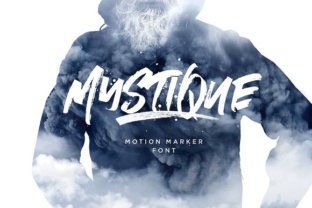
Mystique is a brush-style handwritten typeface that mimics the look and feel of ink on paper. Unlike many digital fonts that aim for perfect uniformity, Mystique embraces irregularity. Its characters flow with a natural rhythm, and the rough edges give each letter a tactile, imperfect quality. This is not a font attempting to imitate a rigid calligraphy style; instead, it leans into the spontaneity of hand lettering.
The design philosophy behind Mystique appears rooted in authenticity. Kavoon has intentionally preserved the nuances of brush strokes—the slight variations in pressure, the uneven ink distribution, and the organic wobble that comes from a real hand. This makes Mystique feel less like a machine-generated typeface and more like a piece of original artwork. For designers and marketers who need to convey warmth, creativity, or a human touch, this characteristic alone can be a significant advantage.
However, it is important to note that this same irregularity can be a limitation in contexts where uniformity and strict readability are paramount. Mystique is not ideal for dense body text or small sizes where every character must be instantly legible. Understanding this trade-off is the first step in evaluating its fit for your work.
Key Characteristics and Visual Identity
Several specific traits define Mystique and influence how it performs in real-world use:
- Fluid character shapes: Each letterform is designed to flow naturally into the next, creating a sense of movement. This is especially effective in headlines or short phrases where the eye can follow the stroke without interruption.
- Deliberately rough edges: The uneven contours of the characters are not accidental. They create texture and visual interest, making the font appear hand-drawn rather than digitally polished. This adds a layer of authenticity that many clean, vector-based fonts lack.
- Moderate stroke contrast: The difference between thick and thin strokes is noticeable but not extreme. This keeps the font versatile across different sizes and applications, though the heavier strokes can dominate at small scales if not adjusted.
- A natural, slightly upright posture: Mystique does not lean dramatically, which helps maintain readability even as the characters retain a handwritten feel. This is a practical consideration for designers who need to use the font across multiple lines or in shorter paragraphs.
- Consistent baseline and x-height: Despite the irregular edges, the overall typographic structure is reliable. Ascenders and descenders are proportioned to avoid awkward collisions, and the x-height is generous enough to preserve legibility at moderate sizes.
These characteristics make Mystique a strong candidate for projects where visual personality matters more than absolute neutrality. The font communicates a sense of craftsmanship and approachability—qualities that are hard to achieve with more sterile typefaces.
Practical Applications and Real-World Performance
Mystique is described by its creator as suitable for apparel, headlines, magazines, and more. This is an accurate characterization, but the font's performance varies depending on the medium and scale.
Apparel and Merchandise
For screen printing, embroidery, or digital mockups on clothing, Mystique holds up well. Its rough edges translate effectively onto fabric, where perfectly smooth lines can sometimes look too artificial. The font works particularly well for single-word logos, short slogans, or brand names. In these contexts, the handwritten quality adds a sense of exclusivity—as if each piece were individually lettered. However, for very small text elements, such as size labels or care instructions, the rough edges can make the characters less distinct, so it is best reserved for prominent display areas.
Headlines and Editorial Design
In magazines, blogs, or print publications, Mystique functions best as a headline or subheading typeface. At larger point sizes, its brush strokes become more pronounced, and the texture adds depth to a page. It pairs well with clean sans-serif or neutral serif fonts for body copy, creating a clear hierarchy. The font can also be used for pull quotes, section headers, or feature article titles where a bold, handcrafted look is appropriate. One practical consideration: avoid setting Mystique in all caps for extended words, as the irregular edges can become visually chaotic when every character is uppercase.
Branding and Marketing Materials
For small business owners, freelancers, or entrepreneurs, Mystique can be a cost-effective way to give branding a distinctive voice. It works well on business cards, packaging, social media graphics, and website headers, especially for brands in creative, artisanal, or lifestyle industries. A coffee shop, a calligraphy studio, a boutique bakery, or a creative agency could all use Mystique to reinforce a handcrafted brand identity. However, it is less suitable for corporate or formal applications where consistency and restraint are expected.
Digital and Web Use
On screen, Mystique retains its character, though it benefits from adequate spacing and line height to prevent the rough edges from overlapping. At standard heading sizes (24px and above), it remains legible and visually engaging. At smaller sizes or on low-resolution screens, the fine details may blur, so testing across devices is recommended. The font is most effective in short bursts—headlines, banners, or call-to-action elements—rather than extended reading passages.
Who Benefits Most from Mystique
Mystique is not a one-size-fits-all typeface, but it serves a clear audience. The following groups are likely to find it most useful:
- Graphic designers and art directors who need a handwritten font that stands out from the many generic options. Mystique offers enough distinctiveness to be memorable without being unreadable.
- Marketers and brand strategists working with lifestyle, creative, or artisan brands. The font's handcrafted feel aligns well with brand values centered on authenticity, quality, and individuality.
- Small business owners and entrepreneurs who want to create professional-looking materials without hiring a custom lettering artist. Mystique provides a polished, yet personal, look at a fraction of the cost.
- Bloggers, publishers, and content creators who need a distinctive heading font that captures attention quickly. Mystique works well for blog headers, YouTube thumbnails, and social media graphics.
- Apparel designers and merchandisers who need a font that translates well onto fabric and conveys a handmade aesthetic.
For these users, Mystique offers a reliable tool that reduces the time needed to achieve a professional handwritten effect. Instead of commissioning custom lettering or struggling with a less expressive font, they can apply Mystique directly and adjust sizing, color, and spacing to fit their layout.
Strengths and Considerations for Professional Use
Evaluating Mystique from a practical standpoint reveals several strengths and some limitations worth noting.
Strengths:
- Distinctive personality: Mystique does not look like every other brush font. Its specific balance of fluidity and roughness gives it a recognizable voice that can strengthen a brand or project.
- Versatile across mediums: It performs well in print, on fabric, and on screen, provided it is used at appropriate sizes. This flexibility makes it a practical addition to a font library.
- Good basic structure: Despite the rough edges, the font has consistent metrics for spacing, baseline, and character proportions. This makes it easier to work with in layouts compared to some highly erratic handwritten fonts.
- Effective for short-form content: Headlines, logos, tags, and labels are where Mystique shines. It commands attention without requiring extensive design work to integrate.
Limitations and Practical Considerations:
- Legibility at small sizes: The rough edges and brush strokes can become muddled below 14–16px, especially on screen. Avoid using Mystique for body text, captions, or any content where fine detail matters.
- Limited language support: Like many specialty fonts, Mystique may not include extensive diacritics or non-Latin characters. Check the character set if your project requires multilingual support.
- May conflict with complex backgrounds: The irregular edges can blend into busy patterns or low-contrast backgrounds. Adequate space and contrasting colors are necessary for the font to remain clear.
- Overuse can dilute impact: Because Mystique has a strong personality, using it too broadly across a single project can feel overwhelming. It works best as an accent typeface, not a workhorse.
Evaluating Mystique for Your Projects
Before purchasing or downloading Mystique, consider your specific requirements. Ask yourself whether the font's handwritten quality will enhance the message you need to communicate. If your project demands warmth, approachability, and a sense of craftsmanship, Mystique is a strong candidate. If your priority is absolute uniformity, maximum legibility at small sizes, or a neutral tone, another typeface may be more appropriate.
For designers and creators who regularly work with brush-style fonts, Mystique is worth testing. Its balance between character and structure makes it more usable than many alternatives in the same category. It is not a replacement for a full type family, but it is a reliable choice for the specific applications it was designed to serve.
In practice, Mystique delivers on its promise. It is a handwritten brush font that brings texture, movement, and authenticity to designs without sacrificing the basics of good typography. For professionals who value both expression and reliability, it offers a practical option that can elevate projects that benefit from a human touch.