Why Kenzo Script Is Redefining Handwritten Typography for Modern Creatives
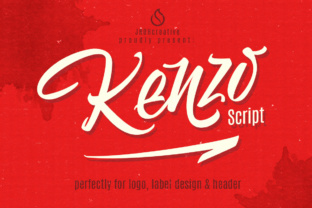
In a digital landscape saturated with clean sans-serifs and uniform slab serifs, audiences are craving something more human. The shift toward authentic, imperfect, and expressive visual communication has never been stronger. Enter Kenzo Script — a stunning handwritten font that packs more than 490 glyphs with 267 alternates, offering a level of versatility that goes far beyond a simple script typeface. For professionals, creators, entrepreneurs, and marketers who want their content to stand out without sacrificing readability or sophistication, Kenzo Script has become a go-to tool. But what makes this font more than just another pretty face in the crowded type market? Let's explore the bigger picture behind its rise and why it resonates so deeply with today's design and business needs.
The Demand for Authenticity in a Digital-First Era
Consumers today are bombarded with content. To break through the noise, brands must communicate with personality and warmth. Research consistently shows that visual elements perceived as “handcrafted” generate higher engagement and trust. This is where Kenzo Script excels. As a handwritten font with a natural, fluid stroke, it immediately communicates care and attention. It's not a mechanical, cold typeface; it feels as though someone sat down with a pen and created it just for that message. This aligns perfectly with the broader trend of brands moving away from corporate, impersonal aesthetics toward something more relatable.
Consider the rise of direct-to-consumer brands, small businesses, and independent creators. Their success often hinges on building a loyal community around shared values. A font like Kenzo Script helps bridge the gap between a faceless company and a friend who's writing you a note. When used in headers, logos, or social media graphics, it injects a sense of handwritten intimacy. This is not a fad but a response to changing consumer expectations. People can tell when a design is templated. They crave the unique, the imperfect, and the personal. Kenzo Script delivers that without sacrificing legibility or professionalism.
What Kenzo Script Really Offers (Beyond the Glyph Count)
Of course, the technical specifications matter. With more than 490 glyphs and 267 alternates, Kenzo Script provides immense creative freedom. But the real value lies in how those alternates are used to create truly custom typography. In the hands of a skilled designer, the font can be manipulated to avoid repeating the same letterform, giving each word a hand-lettered feel. For a logo or a short headline, this means the text looks bespoke — not like a standard font that anyone can download. This capability addresses a critical pain point for professionals: the need for originality without commissioning a custom typeface from scratch.
For marketers and content creators, this translates to visual consistency across campaigns. You can maintain a cohesive brand identity while still having the flexibility to emphasize different emotions. The 267 alternates allow you to select from multiple versions of each letter, so a “y” can end with a flourish in one context and a simple tail in another. This level of control is usually reserved for advanced typography software, but Kenzo Script makes it accessible within most design tools. The result is a font that feels alive, responsive, and endlessly adaptable.
Changing Workflows for Freelancers and Small Teams
Time is a premium resource for entrepreneurs and freelancers. They often juggle multiple roles—designer, copywriter, marketer. Having a single font that can serve many purposes is a game-changer. Kenzo Script works for project headers, product labels, social media posts, email headers, and even short body copy when used thoughtfully. Instead of switching between half a dozen font families, a creative can rely on Kenzo Script to deliver the hand-crafted look across their entire visual output. This streamlining is not just about efficiency; it's about building a coherent brand voice. Every touchpoint, from a website banner to a packaging sticker, can carry the same emotional tone.
Moreover, the font's extensive character set supports multilingual projects and includes contextual alternates that adjust based on surrounding letters. This automatic intelligence saves even more time. A freelancer designing a logo for a local café in both English and Spanish doesn't need to manually adjust each letter; the font adapts gracefully. These are the kinds of practical benefits that resonate with busy professionals who value both aesthetic quality and workflow speed.
Why People Are Paying Attention to Kenzo Script Now
Several converging trends explain the growing interest in fonts like Kenzo Script. First, the democratization of design tools. Platforms like Canva, Adobe Express, and even advanced software like Illustrator and InDesign allow users to access and manipulate variable fonts easily. Non-designers can now produce professional-looking materials. But with that accessibility comes a risk: everyone using the same fonts. Kenzo Script, with its vast alternates, offers a way to differentiate within those mainstream tools. A social media manager can craft a header that doesn't look like thousands of others using a default script.
Second, the rise of visual storytelling on platforms like Instagram, Pinterest, and TikTok demands distinct, eye-catching typography. Text overlays on videos and images need to be readable at a glance yet memorable. Kenzo Script's clear letterforms, combined with its expressive swashes, strike this balance perfectly. It stands out without being illegible. This is crucial for marketers who have only a split second to capture a scroll-stopping moment.
Third, there is a cultural shift toward celebrating the handmade and the artisanal, even in digital spaces. The “cottagecore” aesthetic, the popularity of bullet journals, and the resurgence of calligraphy as a hobby all feed into a larger desire for things that feel personal. Kenzo Script capitalizes on this by offering a digital font that mimics the imperfections of real handwriting—but with the consistency and scalability needed for commercial use. It's the best of both worlds: human warmth with technical reliability.
Practical Examples in Real-World Contexts
To understand the impact, consider a boutique skincare brand launching a new product line. The founder wants the packaging to reflect the natural ingredients and the personal story behind the brand. Using Kenzo Script for the product name on the label instantly communicates that the product is artisanal, not mass-produced. The alternates allow the designer to customize the name for each scent variant, so “Rose & Chamomile” has a slightly different feel than “Lavender & Oats,” while still being obviously part of the same family. This subtle but powerful differentiation builds brand recognition and loyalty.
Another example: a freelance web designer working on a portfolio website. The designer wants the landing page heading to feel welcoming yet sophisticated. Using Kenzo Script with one of its more elegant alternate letterforms for the first letter creates an instant impression. The rest of the text can use standard forms for readability. The result is a homepage that invites the visitor in, rather than shouting generic tech jargon. This is practical, applied typography that serves the business goal of getting more clients.
Marketers also benefit from using Kenzo Script in email marketing. Subject lines and call-to-action buttons that use a handwritten font can increase open and click rates because they feel less like bulk mail and more like a personal note. A/B tests often show that humanized design elements outperform rigid ones. Kenzo Script gives marketers a reliable way to inject that humanity without reinventing the wheel each time.
Connecting to Larger Industry Developments
The rise of variable fonts and the increased focus on typography as a branding asset are not isolated phenomena. They reflect a broader movement toward customization and personalization in every aspect of consumer technology. Just as Netflix recommends content, Spotify curates playlists, and Amazon suggests products, brands now need to tailor their visual communication to specific audiences. Kenzo Script, with its 267 alternates, offers a form of typographic personalization. Designers can select the exact variant of a letter that feels right for a particular audience or mood. This is part of a larger shift from one-size-fits-all design to adaptive, responsive branding.
Furthermore, the global nature of modern business requires fonts that work across languages and scripts. While Kenzo Script is primarily Latin-based, its extensive glyph set covers many European languages used in global commerce. This universality ensures that brands using it can maintain consistency from an English website to a French brochure. For entrepreneurs expanding internationally, having a reliable font that retains its personality across languages is invaluable.
The Future of Handwritten Fonts in Professional Work
Looking ahead, fonts like Kenzo Script will only become more relevant. As artificial intelligence and automation take over more routine design tasks, the value of human touch in creative work increases. Clients and consumers will pay a premium for things that feel genuinely crafted. Handwritten fonts that offer sophisticated alternates and professional-grade characters will be essential tools for designers who want to differentiate their work from AI-generated templates. Kenzo Script sits at this intersection perfectly—it is a digital tool that enables human expression, not replaces it.
Moreover, as remote work and digital collaboration become the norm, the need for clear, expressive typography in presentations, documents, and digital whiteboards grows. A well-chosen font can convey tone and intent even in a text-heavy slide deck. Kenzo Script, when used sparingly for headings or key phrases, adds a layer of personality that keeps audiences engaged during virtual meetings. It's a small change that can have a disproportionate impact on communication effectiveness.
Final Observations for Creatives and Entrepreneurs
Kenzo Script is more than a font with an impressive glyph count. It represents a response to the market's demand for authenticity, versatility, and emotional resonance. For professionals who need their work to stand out without sacrificing quality or efficiency, this handwritten typeface provides a reliable, repeatable solution. It aligns with larger trends in branding, consumer psychology, and visual storytelling. Whether you're a marketer looking to improve email engagement, a freelancer building a distinct visual identity, or an entrepreneur launching a product that feels personal, Kenzo Script offers the tools to make your vision real. The key is to use it wisely—let the alternates elevate your message, not overwhelm it. When applied with intention, Kenzo Script becomes not just a font but a strategic asset in your creative toolkit.