Fiore and Fiore: The Perfect Type Pairing for Elegant Wedding Stationery and Monogram Logos
When it comes to typography, few decisions carry as much weight as selecting the right typeface pairing. A well-chosen combination can elevate a design from ordinary to unforgettable. Among the many pairings available to designers, Fiore and Fiore stands out as an exceptional choice, particularly for projects that demand elegance, clarity, and a touch of romance. Whether you are designing wedding invitations, crafting a monogram logo, or building a brand identity that needs to feel both timeless and modern, understanding why Fiore and Fiore work so well together will transform how you approach typography.
This article explores the characteristics of both typefaces, explains why their contrast creates such a harmonious pairing, and shows you how to apply them effectively in real-world projects. By the end, you will have a clear understanding of what makes Fiore and Fiore a go-to combination for designers who want to make a lasting impression.
What Makes Fiore and Fiore a Standout Type Pairing?
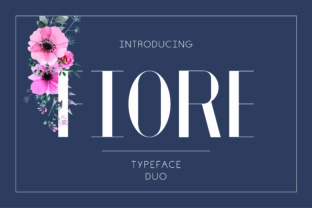
At its core, a type pairing succeeds when two typefaces complement each other without competing. Fiore and Fiore achieves this balance through a deliberate contrast in style, weight, and purpose. The display version of Fiore is a decorative, often script or serif-inspired face that commands attention. It is designed for headlines, titles, and any element that needs to be seen first. Its curves, flourishes, and elegant proportions make it ideal for setting a refined tone.
On the other hand, the sans-serif variant of Fiore is clean, modern, and highly legible. It serves as the supporting voice, handling sub-headings, body copy, and smaller text with ease. The contrast between the two is not jarring but complementary. The display face brings personality and warmth, while the sans face provides structure and readability. Together, they create a visual hierarchy that guides the reader naturally from one element to the next.
The Anatomy of the Display Typeface
The display version of Fiore is where the magic begins. It typically features exaggerated strokes, elegant swashes, and a sense of motion that feels hand-crafted. This makes it perfect for wedding stationery, where a personal, intimate feel is essential. When used for a couple's names on an invitation, it immediately conveys celebration and sophistication. The typeface often includes ligatures and alternate characters, allowing designers to customize the look for each project.
Because display typefaces are designed for larger sizes, Fiore performs best at 24 points and above. At these sizes, every detail shines—the thin hairlines, the graceful loops, and the subtle variations in stroke width. This is what makes it a standout choice for monogram logos, where a single letter or a combination of initials must carry the entire visual identity.
The Role of the Sans-Serif Companion
The sans-serif member of the Fiore family anchors the design. Its straightforward geometry and uniform stroke width ensure that body text remains easy to read, even at small sizes. This is critical for wedding stationery, where guests need to quickly absorb details like dates, venues, and dress codes. The sans face also works beautifully for sub-headings, separating sections of a program or menu without distracting from the main display type.
From a practical standpoint, the sans-serif variant offers multiple weights—light, regular, medium, bold—giving designers flexibility. You can use a light weight for elegant captions, a medium weight for body paragraphs, and a bold weight for emphasis. This range makes the pairing suitable not just for weddings but also for branding, editorial design, and digital interfaces.
Why This Pairing Excels for Wedding Stationery
Wedding stationery is one of the few design contexts where emotion and function must coexist seamlessly. Couples want their invitations to feel personal and beautiful, but guests need to find information quickly. Fiore and Fiore addresses both needs without compromise.
- Visual hierarchy: The display type draws the eye to the most important information—the couple's names and the main headline. The sans type guides readers through secondary details like the date, location, and RSVP instructions.
- Mood and tone: The elegant curves of the display face evoke romance, tradition, and celebration. The clean lines of the sans face keep the design from feeling overly ornate or dated.
- Versatility across pieces: From save-the-dates to ceremony programs, seating charts, and thank-you cards, the pairing remains cohesive. The same two typefaces can be used across an entire suite, creating a unified brand for the event.
- Print and digital compatibility: Wedding stationery often appears in both printed and digital formats. The sans face renders crisply on screens, while the display face retains its charm in high-resolution print.
Practical Example: A Wedding Invitation Suite
Imagine a wedding invitation where the couple's names appear in Fiore display at 36 points, centered at the top of the card. Below, the phrase "invite you to celebrate their wedding" appears in Fiore sans at 12 points, set in a light weight. The date and venue follow in a medium weight at 11 points, with each line carefully spaced for readability. The result is a layout that feels luxurious yet effortless. The contrast between the two typefaces creates a natural rhythm, and the reader's eye moves down the card without confusion.
For the RSVP card, the sans face takes the lead, handling form fields and instructions. The display face reappears only for the couple's monogram at the top, tying the piece back to the invitation. This consistency across the suite reinforces the visual identity and makes the entire set feel intentional.
The Power of Monogram Logos with Fiore and Fiore
Monogram logos are another area where this pairing truly shines. A monogram must be distinctive, memorable, and scalable—it needs to work on a tiny envelope stamp as well as a large wedding banner. Fiore display, with its ornate details, gives monograms a handcrafted feel that stands out in a world of generic typography.
When designing a monogram, the display face is typically used for the initials, while the sans face might appear for the full name or tagline below. The contrast ensures that the initials remain the focal point, while the supporting text adds context without competing. This approach is especially popular for couples creating a custom wedding monogram, but it also works well for businesses, personal brands, and creative portfolios.
Tips for Building a Monogram with Fiore
- Start with the initials: Choose two or three letters from the display family. Experiment with ligatures and alternate characters to find a combination that feels balanced.
- Add a supporting line: Below the monogram, set the full name or a short phrase in the sans face. Keep this line small and subtle so it does not overpower the initials.
- Consider spacing: Monograms rely on generous spacing to let each letter breathe. Avoid cramping the display characters together.
- Test at different sizes: Ensure the monogram remains legible at 1 inch and at 10 inches. The display face should hold its shape at both extremes.
- Use color wisely: A single, rich color like gold, navy, or blush enhances the elegance of the display face. Keep the sans text in a neutral tone for contrast.
How Fiore and Fiore Fits into Modern Design Practice
While this pairing has obvious appeal for wedding and monogram work, its usefulness extends far beyond those niches. In branding, a display-and-sans combination is a classic strategy for creating a memorable logo that works across media. Fiore's display face adds a unique personality that helps a brand stand out, while its sans companion ensures clarity in digital and print applications.
In editorial design, the pairing can be used for magazine covers, article headings, and pull quotes. The display type creates visual interest on the page, while the sans type keeps long-form text comfortable to read. Even in web design, the pairing works well for hero sections and headings, provided the display type is used sparingly and the sans type handles the bulk of the content.
Common Misunderstandings About Type Pairings
One common mistake is assuming that any two typefaces will work if they look different enough. In reality, contrast must be paired with compatibility. Fiore and Fiore are designed as a family, which means their proportions, x-heights, and overall rhythm are intentionally aligned. This is why they feel cohesive even though they look different. A random pairing of a decorative serif and a generic sans may create contrast, but it often lacks the underlying harmony that makes a design feel professional.
Another misunderstanding is that display type should always be used for everything important. In truth, overusing a display face can overwhelm the reader and reduce legibility. The sans face is not a downgrade—it is a necessary counterbalance. By reserving the display face for key moments, you give it more impact when it appears.
Practical Guidelines for Using Fiore and Fiore
To get the most out of this pairing, keep these principles in mind:
- Establish a clear hierarchy: Decide which elements deserve the display face and which belong in sans. Typically, the display face is reserved for the main title or the couple's names, while everything else uses the sans face.
- Mind the scale: Display type needs room. Avoid setting it below 18 points, and prefer 24 points or larger for optimal readability. The sans face can go as low as 9 points for captions but stays most comfortable at 10–12 points for body text.
- Use weight variation: Within the sans family, vary weights to create subtle distinctions. For example, use a light weight for addresses and a medium weight for headings.
- Keep color simple: The elegance of Fiore display is best expressed with one or two colors. Too many colors can compete with the type itself.
- Test in context: Before finalizing a design, view the pairing on the actual medium—whether that is a printed invitation, a digital mockup, or a sign. Adjust spacing and size as needed.
Conclusion: Why Fiore and Fiore Deserves a Place in Your Tool Kit
Fiore and Fiore is more than just a beautiful type pairing—it is a practical, versatile solution for anyone who needs to communicate elegance and clarity at the same time. Its display face brings warmth, personality, and a sense of occasion, while its sans face provides the readability and structure that modern audiences expect.
Whether you are designing wedding stationery that will be treasured for years, crafting a monogram logo that represents a new chapter, or building a brand identity that balances tradition with contemporary design, this pairing offers the contrast and harmony you need. By understanding how each typeface contributes to the whole, you can create work that feels intentional, professional, and deeply resonant.
Typography is a subtle art, but the right pairing can speak volumes. Fiore and Fiore lets you say something beautiful—clearly.