November Script: Evaluating Its Fit for Your Design Projects
When selecting a typeface for a specific project, especially one that demands elegance and a personal touch, the choices can feel overwhelming. November Script enters this space as a modern calligraphy-inspired font, designed to bring a refined, romantic aesthetic to a range of applications from wedding stationery to digital overlays. This article offers a balanced evaluation of November Script, helping you determine whether it aligns with your design goals, project requirements, and practical expectations. Rather than focusing solely on its visual appeal, we examine the benefits, tradeoffs, and real-world considerations that matter most when choosing a font for your next project.
What Is November Script?
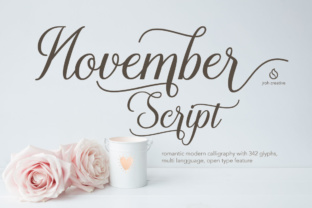
November Script is a digital typeface that draws inspiration from contemporary calligraphy. Its letterforms are designed to mimic the fluid, connected strokes of hand-lettering while maintaining the consistency and reliability expected of a digital font. The design philosophy behind November Script leans into elegance and a touch of romance, making it a popular choice for projects that require a warm, personal, and sophisticated feel. Unlike many script fonts that offer limited character sets, this typeface includes over 340 unique glyphs, with 166 alternate characters. This extensive library provides designers with flexibility to customize letter combinations, avoiding the repetitive look that can sometimes occur with simpler script fonts. The alternates allow for more natural-looking variations in letterforms, which is one of the more practical advantages this font brings to the table.
Why Consider November Script?
The primary reason to consider November Script is its balanced combination of aesthetic appeal and functional character diversity. For projects where the tone needs to be elegant yet approachable, such as wedding invitations, thank-you cards, or other personal correspondence, the font delivers a refined but not overly formal impression. The availability of 166 alternate characters is a notable feature because it directly addresses a common shortcoming in script fonts: the mechanical repetition of identical letters. In a longer text setting, such as a multi-page invitation or a detailed greeting card, these alternates help maintain the organic rhythm of handwritten calligraphy. Additionally, the font is suitable for photo overlays and social media graphics where the lettering needs to stand out against photographic backgrounds without overwhelming the image. The moderate stroke contrast and well-proportioned letter shapes contribute to readability at various sizes, which is a practical concern for both print and digital use.
Benefits and Tradeoffs
Every font comes with its own set of strengths and limitations, and understanding these will help you decide if November Script is the right tool for your specific project.
Benefits
- Extensive character set with contextual alternates: The 166 alternate characters allow you to create a more organic, less repetitive text appearance. This is particularly valuable for invitations, quotes, or any text where the visual rhythm matters.
- Elegant but not excessively ornate: The calligraphy style is refined without being overly decorative, making it adaptable to both formal and semi-formal contexts. It can pair well with serif or sans-serif body fonts without visual conflict.
- Versatile across media: Whether used in print for stationery or digitally for overlays and web graphics, the font maintains its legibility and character. The letterforms are designed to work at display sizes as well as in smaller text blocks when used carefully.
- Supports a romantic and warm tone: For projects that need to convey emotion, gratitude, or personal connection, the font naturally supports that tone without additional styling effort.
Tradeoffs and Considerations
- Not ideal for large body text: Like most script fonts, November Script is best used for headlines, titles, short paragraphs, or accent text. Reading long passages in a script typeface can be fatiguing, so it is not recommended for lengthy body copy.
- Alternates require thoughtful application: While the 166 alternate characters are a strength, using them effectively requires some familiarity with font features in your design software. If you are working in a program that does not support OpenType features, you may not be able to access all the alternates, which reduces the font's flexibility.
- Romantic style may not suit all contexts: Projects that require a neutral, professional, or minimalist aesthetic may find the calligraphy approach too expressive. In corporate or technical contexts, a simpler sans-serif or geometric font would be more appropriate.
- Licensing and cost: As with many premium typefaces, you will need to verify the licensing terms for your intended use, especially for commercial projects. The cost may be higher than more common script fonts, but the additional glyph count and alternates can justify the investment for frequent users.
When November Script Is a Strong Fit
Certain project types and creative contexts naturally align with the strengths of November Script. Recognizing these scenarios can help you decide when to integrate it into your workflow.
- Wedding stationery and event invitations: The romantic and elegant quality of the font makes it a natural choice for save-the-dates, ceremony programs, and reception details. The alternates allow you to customize names and key phrases to avoid repetitive letter shapes, which enhances the handcrafted feel.
- Thank-you cards and personal correspondence: For notes and cards that require a warm, sincere tone, the calligraphy style adds a personal touch that simple typefaces may lack. It works well for both printed cards and digital versions shared online.
- Photo overlays and social media graphics: When layering text over images, the font's moderate stroke weight and graceful curves complement photographic content without competing for attention. It is effective for quotes, announcements, and personal branding on platforms like Instagram or Pinterest.
- Greeting cards, packaging, and small-batch product labels: For products that emphasize artisanal quality or emotional connection, such as handmade goods, candles, or specialty foods, the font can reinforce the brand's personality.
- Projects requiring a custom, handcrafted look without full hand-lettering: Designers who want the authenticity of calligraphy but need the efficiency and consistency of a digital font will find November Script a practical compromise.
When Alternatives May Be Worth Considering
No font is a universal solution, and there are situations where other typefaces may serve your goals better than November Script. Being aware of these circumstances will help you avoid forcing a script font into a role it was not designed for.
- Formal corporate communications: If you are creating a business report, contract, or professional presentation, a script font is unlikely to convey the appropriate level of seriousness or clarity. In these cases, a clean serif or sans-serif typeface would be more suitable.
- Large quantities of body text: For documents that require extended reading, such as brochures, guides, or articles, a script font will reduce readability and cause reader fatigue. Reserve November Script for display or accent use and pair it with a legible body font.
- Modern, minimalist, or industrial design styles: Projects with a stark, geometric, or avant-garde aesthetic may clash with the organic and romantic nature of calligraphy. A slab serif, geometric sans-serif, or monospace font might better support the intended visual language.
- When budget or licensing constraints apply: If you are working on a project with a very tight budget or need a font that can be freely used across multiple platforms without additional fees, there are high-quality open-source script fonts available, though they may not offer the same glyph diversity.
- When you need a font that works well at very small sizes: Script fonts, including November Script, tend to lose legibility at small point sizes due to their fine strokes and connected letterforms. For small text elements, such as captions or footnotes, a more straightforward typeface is recommended.
Practical Decision-Making Insights
Choosing a typeface is ultimately about matching the font's characteristics to the goals of your project. Here are some practical steps to help you decide whether November Script is the right choice for your needs.
Evaluate your project's tone first. If your project requires warmth, elegance, or a personal touch, the calligraphy style will serve you well. If the tone needs to be neutral, authoritative, or purely functional, look elsewhere.
Consider the length and structure of your text. November Script is best for short to medium-length text elements where each letter can be appreciated. For longer passages, plan to use it only for headings or pull quotes and pair it with a clean companion font for the body.
Test the font in your actual design environment. Download the trial version or use a preview tool to see how the alternates behave in your software of choice. Confirm that you can access the OpenType features before committing, especially if the alternates are a key reason for your interest.
Assess the visual weight relative to other design elements. Because calligraphy fonts have a distinctive presence, ensure that other components of your design, such as images, colors, and layout, balance well with the font's personality. The goal is harmony, not competition.
Think about the end-user experience. Will your audience be reading the text on a screen or in print? At what distance? Under what lighting? Script fonts can be more sensitive to these variables than simpler typefaces, so test readability in the final medium.
Compare with alternatives that serve a similar purpose. If you are drawn to the calligraphy style but need a more neutral or versatile option, consider fonts that offer both script and sans-serif variants within the same family. If you need more decorative options, look for fonts with additional swashes or flourishes.
Determining Whether November Script Aligns With Your Goals
Aligning a typeface with your goals is not just about aesthetics; it is about function, audience, and context. November Script is a thoughtful choice when your project prioritizes emotional resonance, visual texture, and a handcrafted feel. Its extensive glyph library and alternate characters set it apart from simpler script fonts, giving you greater control over the final appearance. However, it requires a designer who is comfortable working with OpenType features and who understands the limitations of script fonts in terms of readability and context.
If your primary goal is to communicate warmth and elegance in a concise, visually memorable way, and you are working on a project where the text length is manageable, November Script offers a practical and aesthetically satisfying solution. If you need a font that can carry large amounts of text, work across highly formal or minimalist contexts, or function without the need for alternate character selection, then exploring other options may be more efficient.
Ultimately, the best choice comes down to understanding what the font can do for your specific project and recognizing where its strengths and limitations intersect with your creative and practical requirements. By approaching the decision with clear criteria and a realistic view of the font's capabilities, you can make a choice that serves both your design and your audience effectively.