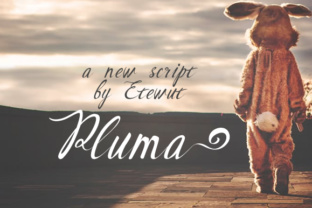
Pluma: A Handwritten Script font for Modern Design
Imagine a typeface that combines the intimacy of handwriting with the polish of professional design—that’s exactly what Pluma offers. Created by Etewut, this smooth and elegant script brings a human touch to digital projects without sacrificing sophistication. For graphic designers seeking to infuse warmth into their work, Pluma stands out as a versatile asset that bridges personal expression and visual clarity. Whether you’re crafting wedding invitations or refining a brand’s headline, this typeface delivers both charm and authority.
The Role of Pluma in Modern Graphic Design
In today’s visual landscape, audiences crave authenticity. Handwritten scripts like Pluma answer that need by adding a layer of organic texture to otherwise rigid layouts. Its fluid strokes and balanced letterforms create a natural rhythm that guides the eye, making it ideal for projects where emotional connection matters. From packaging design to editorial layouts, Pluma helps designers establish a distinct tone that feels both approachable and refined.
What sets Pluma apart is its adaptability. Unlike many scripts that lean heavily casual, this typeface maintains legibility at various sizes, allowing it to serve in both display roles and body text. The thoughtful kerning and consistent baseline ensure that the script remains readable even when stretched across a poster or compressed into a social media graphic. This makes it a reliable choice for creating visual hierarchy within a design system.
Applications Across Design Disciplines
Pluma’s versatility shines across multiple creative projects. Here are some practical ways to integrate it into your workflow:
- Branding and Logo Design: The script’s elegance pairs well with minimalist logos, adding a personal note to brand identity. Use it for wordmarks or taglines to convey craftsmanship and care.
- Marketing Materials: Flyers, brochures, and email headers benefit from Pluma’s inviting flow. It softens corporate messaging without losing professionalism.
- Social Media Graphics: On Instagram or LinkedIn, a headline set in Pluma draws attention amidst crowded feeds. Its organic feel aligns with modern aesthetics that prioritize authenticity.
- Website and UI Design: While primarily a display font, Pluma works in hero sections or call-to-action buttons. Pair it with clean sans-serif type to maintain readability in user interfaces.
- Editorial and Print Design: For wedding invites, birthday cards, or event programs, Pluma shines. It mimics the intimacy of hand-lettered calligraphy while ensuring each word remains crisp.
- Packaging Design: Product labels and boxes gain a premium touch when Pluma appears on headers or ingredient lists. It evokes artisanal quality without overwhelming the package’s structure.
- Advertising Campaigns: Billboards and digital ads can use Pluma for impactful headlines that feel human. Its rhythm helps build visual interest in short attention spans.
- Presentations: Slide titles set in Pluma add personality to pitches or portfolios. It breaks the monotony of standard fonts and signals creative thinking.
- Merchandise and Digital Products: T-shirt graphics, mugs, or app splash screens can leverage Pluma for a handcrafted vibe. It resonates with audiences who value bespoke design.
Practical Tips for Using Pluma Effectively
To get the most from Pluma, consider how it fits within your overall design workflow. Start by evaluating its role in visual hierarchy. As a script, Pluma naturally draws focus, so reserve it for key elements like headlines, quotes, or brand names. Avoid using it for large blocks of text where readability might suffer; its strength lies in emphasis and atmosphere.
Color palette selection also matters. Pluma pairs beautifully with muted earth tones, soft pastels, or high-contrast backgrounds for modern elegance. Experiment with letter spacing and line height to fine-tune its impact—tight spacing reinforces cohesion, while generous airiness suggests luxury. Consistency is crucial: limit your typography to two or three typefaces total, with Pluma as the accent voice. This maintains professional presentation and strengthens brand identity without visual clutter.
Aligning Pluma with Brand Systems
When integrating Pluma into an existing brand system, test its compatibility against your current fonts. It works well alongside geometric sans-serifs (like Montserrat or Futura) for a contemporary contrast, or with serif type (like Playfair Display) for a more traditional feel. For digital marketing, ensure the script renders clearly on small screens by scaling it appropriately—headlines should be at least 24px on web designs. In print, check ink traps and thin strokes to avoid loss during reproduction.
Remember that effective visual communication relies on audience expectations. Pluma’s warmth suits lifestyle brands, creative agencies, or personal projects, but may feel out of place in ultra-formal corporate contexts. Evaluate your design goals before committing: if your aim is to inspire trust through approachability, Pluma is an excellent choice. For UI design, prioritize readability by using it sparingly, perhaps for hero text or navigation accents in UX design.
Thoughtful design choices elevate any project. By selecting a script like Pluma that balances elegance with usability, you not only enhance aesthetics but also improve user engagement. Quality creative assets—whether typefaces, imagery, or color schemes—work together to form a cohesive brand identity that resonates. As you explore design trends and refine your visual toolkit, remember that a single font can shift perception. Pluma offers that opportunity: a handwritten touch that feels both personal and professional, ready to elevate your next project.