How Zombie Zone Is Reshaping Typography for a New Era of Creative Expression
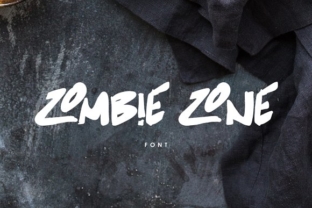
Zombie Zone is a handcrafted font created by Creativeqube that brings raw, organic texture to digital and print design. At first glance, its irregular strokes, distressed edges, and unconventional letterforms signal something far removed from the polished, geometric typefaces that have dominated brand identity for decades. Yet it is precisely this departure from perfection that is capturing the attention of professionals across industries — from independent freelancers to enterprise marketing teams, from packaging designers to web developers.
In this article, we explore what makes Zombie Zone distinct, why it resonates with today's creators and entrepreneurs, and how it reflects larger shifts in visual communication, consumer expectations, and the way brands build meaning in a crowded marketplace.
The Rise of the Imperfect: Why Handcrafted Fonts Matter Now
For much of the late 20th and early 21st centuries, the prevailing aesthetic in commercial design leaned heavily toward clean lines, uniformity, and precision. Sans-serif fonts like Helvetica, Arial, and Futura became the default choice for startups, corporations, and agencies alike. They conveyed efficiency, professionalism, and neutrality — qualities that suited the rapid scaling of digital platforms and global branding.
However, as digital saturation has increased, so has the demand for differentiation. Audiences today encounter thousands of visual messages daily. The polished, mass-produced look that once signaled credibility now often feels anonymous. Consumers — particularly younger demographics — are drawn to brands and creators who demonstrate authenticity, craftsmanship, and a willingness to break from convention.
This is where handcrafted typefaces like Zombie Zone enter the picture. Designed by Creativeqube, Zombie Zone embodies an organic, hand-drawn quality that no algorithm can replicate. Each character carries subtle irregularities — slight variations in stroke weight, uneven edges, and a tactile, almost weathered finish. These imperfections are not flaws; they are deliberate features that communicate a human touch in an increasingly automated world.
For professionals in branding, marketing, and content creation, this shift represents a strategic opportunity. Typography is no longer just a vehicle for readability — it is a primary carrier of tone, personality, and emotional resonance. A font like Zombie Zone signals that a brand values creativity, individuality, and a willingness to stand apart.
What Exactly Is Zombie Zone? A Closer Look at the Font
Zombie Zone is not a decorative novelty font in the traditional sense. It is a handcrafted typeface developed by Creativeqube with a distinct aesthetic that balances raw energy with readable structure. The letterforms draw inspiration from street art, punk zine culture, vintage horror posters, and the kind of handmade signage that predates the dominance of digital typesetting.
Key characteristics include:
- Irregular stroke patterns that give each character a unique, almost drawn-by-hand appearance.
- Distressed and textured edges that evoke a sense of age, wear, or urban grit.
- Expressive ascenders and descenders that break out of conventional x-height boundaries, adding visual drama.
- Variable letter spacing that feels natural rather than mathematically uniform, mimicking the rhythm of handwriting.
These features make Zombie Zone particularly effective for headlines, logos, posters, social media visuals, packaging, and any context where the type itself needs to carry emotional weight. It is not designed for long body text — and that is intentional. Creativeqube built Zombie Zone to excel precisely where typography needs to make a statement.
For designers and entrepreneurs who work in niches like entertainment, streetwear, food and beverage, music, gaming, or alternative lifestyle brands, Zombie Zone offers a ready-made vocabulary that feels earned rather than manufactured.
Why Creators and Professionals Are Paying Attention
The growing interest in Zombie Zone reflects a broader recalibration of what professionals value in typography. Several converging trends explain this attention.
3.1 Authenticity as a Competitive Advantage
In a marketplace where AI-generated content and templated design are becoming commonplace, authenticity has become a premium asset. Consumers are increasingly savvy at distinguishing between work that feels generic and work that bears the mark of human intention. Zombie Zone, with its handcrafted DNA, signals that a brand has invested in distinctiveness. For freelancers and small business owners, this can be the difference between blending in and being remembered.
3.2 The Decline of the "Safe" Brand Aesthetic
Corporate minimalism is no longer the default choice for ambitious entrepreneurs. Many of the most successful DTC (direct-to-consumer) brands, independent studios, and creative agencies have embraced bolder visual identities. They use typography that challenges expectations, and Zombie Zone fits squarely into this movement. It allows a brand to communicate rebellion, energy, or nostalgia without needing an elaborate illustration or photography budget.
3.3 Cross-Industry Versatility
While Zombie Zone might seem niche at first, its applications are surprisingly broad. Marketers use it for limited-edition packaging and campaign headlines. Game developers deploy it for UI elements and promotional art that need an underground feel. Content creators rely on it for YouTube thumbnails, merch designs, and social graphics that cut through the scroll. Entrepreneurs in the beverage, apparel, and wellness spaces have adopted it to differentiate their shelf presence from mass-market competitors.
3.4 The Shift Toward Tactile and Analog-Inspired Design
Even in fully digital workflows, there is a growing hunger for tactile, analog-inspired aesthetics. Zombie Zone fits this trend perfectly. It evokes screen-printed posters, hand-painted signs, and the imperfect charm of physical media. For professionals who want their digital work to feel grounded and sensorially rich, Zombie Zone bridges the gap between the virtual and the tangible.
Practical Applications: Where Zombie Zone Delivers Results
Understanding the why behind Zombie Zone's appeal is valuable, but professionals also need to know where and how to deploy it effectively. Based on observations across current design workflows and brand strategies, here are practical scenarios where Zombie Zone excels.
4.1 Brand Identity for Nonconformist Brands
For startups and entrepreneurs building brands in categories like craft beverage, streetwear, music festivals, or boutique hospitality, Zombie Zone provides an immediate visual anchor. It tells the audience: this brand is not trying to please everyone. Used in a hero wordmark or a tagline display, it communicates confidence and DIY spirit.
4.2 Limited-Edition and Seasonal Campaigns
Scarcity and urgency are core drivers in modern marketing. A font like Zombie Zone, with its raw and transient feel, naturally complements limited-edition drops, seasonal promotions, or event announcements. Its handcrafted aesthetic suggests something made in small batches — a powerful psychological cue for consumers.
4.3 Editorial and Content Headlines
Bloggers, newsletter writers, and digital publishers looking to break away from the standard serif/sans-serif binary can use Zombie Zone for section headers, pull quotes, or feature titles. It adds visual punctuation and a sense of editorial personality without overwhelming the reading experience.
4.4 Packaging and Merchandise
Physical products benefit enormously from typography that feels material. Zombie Zone, with its distressed edges and irregular forms, looks natural when printed on Kraft paper, fabric labels, or screen-printed t-shirts. It reinforces a handmade ethos that many consumers find compelling in an era of mass production.
4.5 Social Media and Visual Content
On platforms like Instagram, TikTok, and Pinterest, the competition for attention is fierce. A striking headline in Zombie Zone can stop the scroll far more effectively than a standard font. Pair it with bold color blocks, texture overlays, or photographic backgrounds for maximum impact.
How Zombie Zone Connects to Larger Trends in Visual Culture
Beyond its immediate utility, Zombie Zone is part of a larger movement in visual culture that deserves attention from any professional who works with design, branding, or content.
5.1 The Backlash Against Algorithmic Uniformity
One of the most significant cultural shifts of the current decade is the growing mistrust of algorithmic homogenization. As AI tools produce increasingly indistinguishable outputs, human-made artifacts — including handcrafted typefaces — become more valuable. Zombie Zone is a direct antidote to the flattening effect of mass digital production. It reasserts the role of the designer as a craftsman, not just a curator of templates.
5.2 The Rise of Subcultural Aesthetics in Mainstream Business
What was once considered "alternative" — punk, street art, zine culture, tattoo lettering — has migrated into mainstream branding and marketing. This is not a fleeting trend but a structural shift in how brands engage with younger, culturally diverse audiences. Zombie Zone taps directly into this visual language, making it accessible to professionals who may not have a background in subcultural scenes but need to communicate with audiences that do.
5.3 The Evolution of Typography as Emotional Interface
Typography increasingly functions as an emotional interface between brand and audience. In an era where consumers expect brands to take stands, show personality, and demonstrate creative courage, the font you choose is part of that conversation. Zombie Zone offers a voice that is unpolished yet intentional, raw yet readable — a combination that resonates with audiences tired of corporate neutrality.
Adapting Workflows and Expectations for Handcrafted Typography
For professionals accustomed to working with standardized type families, integrating a font like Zombie Zone requires some adjustment in workflow and expectations. Here are a few observations from current practice.
- Pair with neutral complements. Zombie Zone works best when contrasted with simple, clean typefaces for body copy. Pair it with a crisp sans-serif or a classic serif to create visual hierarchy without competition.
- Use sparingly for maximum impact. Because of its expressive nature, Zombie Zone is most effective at larger sizes and in limited doses. A full paragraph in Zombie Zone can feel chaotic; a single word or short phrase can be unforgettable.
- Embrace the irregularities. Designers who try to force Zombie Zone into perfect alignment or rigid grids may miss its point. Let the letters breathe. Use uneven spacing and asymmetrical layouts that complement the font's handmade origin.
- Test in real-world mockups. Always preview Zombie Zone in the actual medium you plan to use — whether that's a digital screen, a print proof, or a physical prototype. The texture and weight behave differently across formats.
For entrepreneurs and marketers who are not designers themselves, working with Zombie Zone can be a collaborative opportunity. Brief your creative partners clearly about the tone you want to strike — rebellious, nostalgic, raw, energetic — and let the font do much of the heavy lifting.
The Future of Handcrafted Fonts in a Digital-First Landscape
As digital tools continue to lower the barrier for content creation, the differentiating factor will increasingly be taste, intention, and craftsmanship. Handcrafted fonts like Zombie Zone represent a strategic choice: a declaration that a brand or creator values originality over efficiency, and personality over polish.
Looking ahead, several developments are likely to reinforce the relevance of typefaces like Zombie Zone:
- The continued growth of independent brands and creator-led businesses, which thrive on distinct visual identities.
- Increasing consumer preference for brands that appear small-batch, artisanal, or culturally rooted.
- The expansion of design tools that make handcrafted typography more accessible to non-specialists.
- A lasting cultural appreciation for analog aesthetics in an otherwise digitized experience.
For professionals across every field that involves visual communication — marketing, branding, product design, content creation, entrepreneurship — developing a vocabulary for fonts like Zombie Zone is not just a stylistic choice. It is a strategic competency that helps you connect with audiences on a deeper, more human level.
Final Thoughts: Why Zombie Zone Deserves a Place in Your Toolkit
Zombie Zone is more than a font. It is a creative instrument designed by Creativeqube that gives professionals a way to speak with authenticity, edge, and emotional clarity. In a landscape where visual noise is at an all-time high, the brands and creators who succeed will be those who can signal their difference instantly. Zombie Zone does exactly that — not through gimmickry, but through deliberate craft.
Whether you are a freelancer building your first brand identity, a marketer planning a campaign that needs to cut through, or an entrepreneur launching a product that demands attention, Zombie Zone offers a distinctive voice. It connects your work to larger cultural currents — the return of the handmade, the rejection of algorithmic sameness, and the enduring power of imperfect, human-made expression.
In the end, the most successful visual communication is not about following trends. It is about making choices that feel true to your message and your audience. For those ready to step away from the safe and the generic, Zombie Zone provides a path that is as meaningful as it is memorable.
Article by [Author Name] — exploring how typography, design, and culture intersect for today's professionals, creators, and entrepreneurs.