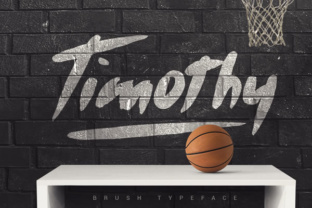
Timothy: A Playful Font for Creative Projects
What Makes Timothy Different
Timothy, designed by Pere Esquerrà, is a display typeface that feels hand-drawn rather than machine-made. Its irregular stroke weights, slight variations in letter height, and organic curves give it the warmth of something written with a marker or brush. Unlike clean geometric fonts that aim for perfection, Timothy embraces imperfection as a feature. This makes it a strong choice for projects where personality and approachability matter more than strict uniformity.
For anyone who has struggled to make digital work feel human, Timothy offers a shortcut. It brings the energy of hand-lettering into a format that works across software like Canva, Adobe Illustrator, or even presentation tools. You do not need to draw each letter yourself — the font does the work, but the result still looks personal.
What Different Audiences Look For in a Font
People evaluate fonts based on their own priorities. A graphic designer cares about how a font behaves at different sizes and whether it supports special characters. A small business owner focuses on whether the font communicates the right feeling to customers. A hobbyist just wants something that looks nice without requiring technical skill. Timothy serves these different needs in different ways. Understanding your own priorities helps you decide if this font fits your project.
Designers and Visual Creators
If you work with visuals regularly, you likely evaluate fonts by versatility and character set. Timothy works best at display sizes — think headlines, posters, logos, and large text. At smaller sizes, some of its irregularities can reduce readability, so it pairs well with a simpler, more neutral font for body text. For example, using Timothy for a festival poster title and a clean sans-serif for details keeps the design lively but readable.
An illustrator creating a series of art prints might use Timothy to maintain a handcrafted feel across different pieces. A UI designer could use it sparingly for hero section headlines in a creative portfolio site. The key is balance: Timothy shines when it has room to breathe, not when it is crowded into small spaces.
Small Business Owners and Entrepreneurs
Standing out visually is a constant challenge for small businesses. Timothy can help create an identity that feels personal rather than corporate. A coffee shop owner using Timothy on menu boards, takeaway cups, and social media posts signals warmth and craft. A wedding planner might use Timothy in brochures and website banners to suggest elegance with a personal touch.
For entrepreneurs building a brand on a budget, Timothy offers a way to achieve a custom look without hiring a lettering artist. It is a single font that can do a lot of the heavy lifting for brand personality. However, it is wise to test how it looks on different materials — screen versus print, light background versus dark — before committing to a full rebrand.
Educators and Students
In educational settings, fonts can affect how materials feel to learners. Timothy works well for headings on worksheets, classroom posters, or presentation slides where a friendly tone helps engagement. A teacher creating a bulletin board about a class project might use Timothy for the main title to make the display feel inviting.
For students studying design, Timothy provides a useful case study in expressive typography. Comparing it to more neutral fonts like Helvetica or Roboto reveals how much personality type carries. A student writing a paper on typography could use Timothy as an example of how digital fonts borrow from hand-lettering traditions.
Hobbyists and DIY Enthusiasts
Not everyone who uses fonts works in design professionally. If you make birthday cards, scrapbook layouts, or invitations for family events, you probably want something that looks handmade without requiring hours of practice. Timothy fits that need well. It adds a casual, cheerful look to personal projects.
A parent creating a party invitation for their child could drop Timothy into a simple template and get a result that looks custom. A crafter designing labels for homemade gifts might use Timothy to keep the aesthetic consistent and warm. The font is forgiving — you do not need to be an expert to make it look good.
Content Creators and Bloggers
Holding audience attention online often depends on visual variety. Timothy can add character to blog headers, YouTube thumbnail text, or Instagram quote cards. A blogger writing about slow living or home crafts might use Timothy for post titles to reinforce the handmade, intentional feel of their content.
For marketers creating social media assets, Timothy works well when paired with high-quality photography or simple backgrounds. The contrast between the font's organic shape and clean imagery creates visual interest. Just avoid overusing it — a little goes a long way, especially on platforms where users scroll quickly.
Practical Considerations Before You Use Timothy
No font works for every situation. Here are factors to weigh when deciding if Timothy matches your project.
Ease of Use
Installing and applying Timothy works the same as any other font. Download the file, install it on your system, and select it from the font menu in your software. No special setup is needed. Beginners will find it straightforward. The challenge is not technical but creative: knowing when to use it and when to hold back.
Cost and Licensing
Timothy is available under various licensing terms depending on where you obtain it. Some foundries offer personal use licenses at a low cost, while commercial use requires a different fee. If you plan to use Timothy in products you sell — whether that is packaging, logos, or printable goods — check the license carefully. A small business buying a commercial license pays for the right to use the font as part of their brand identity, which is a long-term investment.
Quality and Readability
At large sizes, Timothy shows off its character well. The irregular strokes and varied letter shapes add texture. At small sizes, especially on screens, some letters may blend together or look inconsistent. If your project requires long paragraphs of small text, Timothy probably is not the right choice. Reserve it for headlines, short phrases, and emphasized words.
Flexibility and Pairing
Timothy pairs best with simple, neutral fonts. A clean sans-serif like Open Sans or Lato lets Timothy take the spotlight without competing. For body text, choose something with good readability at small sizes. Testing a few pairings before finalizing a design saves time and improves the result.
Long-Term Usefulness
For someone building a consistent brand, Timothy can become a signature element. Used consistently across packaging, website headers, and printed materials, it creates recognition. For hobbyists, it remains a reliable option for personal projects that need a handmade feel. The font's value does not fade with trends — its handcrafted quality is timeless in the right context.
How to Know If Timothy Fits Your Project
Ask yourself a few questions before choosing a font. What feeling do you want your project to communicate? Timothy leans toward playful, warm, casual, and approachable. If your project needs to feel serious, formal, or technical, another font may serve better. What size will the text be? Timothy works best at medium to large display sizes. Who is your audience? If they expect a polished, corporate look, Timothy may feel too informal. If they appreciate creativity and personality, it could be a perfect match.
For a beginner working on a personal blog, Timothy offers a low-risk way to add visual interest. For a professional designer, it is one more tool in the kit for projects that benefit from a handmade touch. For a business owner, it is a way to build a brand identity that feels genuine. No font solves every problem, but understanding what Timothy does well helps you use it where it matters most.
Final Thoughts on Choosing Timothy
Pere Esquerrà created Timothy as a playful font that brings hand-lettering charm into digital spaces. Its strength lies in its imperfection — the uneven strokes and varied shapes that make text feel written rather than typed. Different audiences will find different reasons to use it, but the common thread is a desire for warmth and personality in visual communication.
Whether you are designing a poster, building a brand, creating classroom materials, or crafting something for fun, Timothy deserves consideration if your project values human connection over mechanical precision. Test it, pair it thoughtfully, and let its character work for you.