Snowblown: A Handcrafted Font for Real Creative Work
Typography can make or break a project. You already know that. But finding a typeface that brings genuine warmth without sacrificing readability is rarer than it should be. Snowblown, a beautiful handcrafted font created by Creativeqube, manages exactly that balance. It carries the marks of human hands without feeling messy, and it brings personality into layouts that would otherwise feel generic. This article looks at what makes Snowblown worth your time and how different creators can put it to practical use.
What Snowblown Actually Is
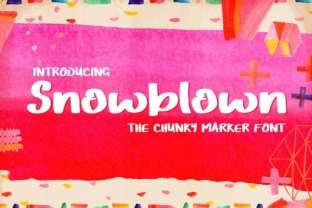
Snowblown is a display typeface built from handcrafted letterforms. Every curve, serif, and stroke carries subtle variation that comes from real human making. Creativeqube has designed it to feel both deliberate and organic. The letters have weight, texture, and a slightly rugged finish that keeps them grounded. This is not a sterile geometric sans. Nor is it a decorative novelty font that only works at giant sizes. Snowblown sits in a useful middle ground: it has character, but it remains legible enough for headlines, subheads, and short blocks of text.
The handcrafted quality means no two letters feel identical. The a might carry a slightly wider bowl than the e. The descenders have natural variation. That human touch is exactly what makes Snowblown useful for projects where you want to communicate authenticity rather than machine-perfection.
Why Handcrafted Fonts Matter Right Now
Audiences have become good at spotting visual shortcuts. Generic corporate fonts signal polish, but they can also signal detachment. A typeface like Snowblown counters that. It says someone cared enough to choose something made by human hands. For small business owners, freelancers, and independent creators, that distinction matters. You are not trying to look like a faceless brand. You are trying to communicate that your work has soul.
Handcrafted fonts also perform well across physical and digital formats. Snowblown holds up in print because its texture gives ink something to grab. On screens, the organic edges prevent it from looking too cold. This versatility makes it a reliable choice whether you are designing packaging, social media graphics, or a personal website.
Graphic Designers and Brand Identity Work
If you design logos or brand identities, Snowblown offers an accessible entry point for projects that need warmth. It works especially well for artisan brands, cafes, bakeries, creative studios, and small retail shops. Pair it with a clean sans-serif body font such as Open Sans or Lato to maintain readability in longer text. The contrast between Snowblown's handmade feel and a neutral companion creates visual hierarchy without relying on loud colors or heavy ornamentation.
Consider using Snowblown for wordmarks rather than full logotypes. A single word in Snowblown can anchor an identity. The texture draws the eye without overwhelming it. If you are working on a brand refresh for a client who offers handmade goods, Snowblown communicates that value proposition immediately.
Marketers and Content Creators
For blog headers, social media graphics, and email newsletters, Snowblown adds a layer of personality that standard fonts do not. A headline set in Snowblown tells the reader this is not a corporate announcement. It reads more like a note from someone who cares about the message. Use it for seasonal campaigns, product launches, or any content where you want to feel approachable rather than institutional.
Marketers often worry that decorative fonts hurt scannability. That is a valid concern. But Snowblown has been drawn with enough consistency that it retains clarity at reasonable display sizes. Keep it for headlines and subheads. Let your body copy stay in a neutral font. That way you get character where it counts and readability where it matters.
Small Business Owners and Entrepreneurs
When you run your own business, every design choice reflects on you directly. A font like Snowblown helps your materials stand out in a crowded feed or mailbox. Use it on your website hero section, product packaging, or even on physical signage. The handcrafted quality reinforces the idea that your business is built on real effort and attention to detail.
If you are a solo entrepreneur or freelancer, your branding is often just you. Snowblown helps you present that without needing a whole design system. A clean layout, one strong headline in Snowblown, and a short paragraph in a body font can be enough to communicate your personality and professionalism at the same time.
Educators and Hobbyists
Teachers, workshop leaders, and creative hobbyists can use Snowblown for materials that feel inviting rather than academic. Handouts, worksheets, presentation titles, and classroom posters all benefit from a typeface that looks approachable. If you run creative workshops, using a handcrafted font like Snowblown aligns your visual language with the hands-on nature of your work.
Hobbyists working on personal projects such as zines, journals, greeting cards, or scrapbooking will also find Snowblown easy to integrate. It gives a cohesive look without requiring advanced layout skills. Drop it into a header, add a subtle background texture, and the piece already has a voice.
Pairing with Texture and Photography
Snowblown lives comfortably alongside rough textures, paper backgrounds, and natural photography. If you pair it with an image shot on film or a subtle paper grain, the font and the image reinforce each other. Both carry human imperfection. That coherence makes the final piece feel more intentional than something assembled from sterile components.
For a more modern take, place Snowblown over a clean minimal background. The contrast between the organic letters and the crisp layout creates a focal point. This approach works well for brands that want to feel both refined and grounded.
Size and Spacing Experiments
Snowblown responds well to generous tracking. Because its letterforms have variable widths, opening up the spacing can make headlines feel airy and deliberate. Tight spacing, on the other hand, emphasizes the textural overlap and creates a denser, more rugged feel. Experimenting with both approaches can yield very different tones from the same typeface.
At larger sizes, Snowblown shows off its craftsmanship. The subtle bends in stems and the uneven terminals become visible. At smaller sizes, those details recede, but the warmth remains. Test it at the sizes you actually need before committing to it for a project.
Keeping Results Clear and Effective
Any handcrafted font demands a bit more care than a neutral workhorse. Here are practical ways to keep your results clean and audience-friendly:
- Limit its use to display text. Snowblown works best in headlines, wordmarks, subheads, and short emphasis phrases. Avoid using it for paragraphs or dense body copy.
- Choose a clean companion font. A neutral sans-serif or a simple serif body font gives the reader a visual rest after the character of Snowblown.
- Watch your contrast. If you place Snowblown over a busy background, the texture can compete with the image. Use solid backgrounds or subtle textures behind it.
- Test on actual devices. What looks good on your design monitor may read differently on a phone screen. Check legibility at realistic sizes before finalizing.
- Use color intentionally. Snowblown carries enough personality that neutral colors often work best. White, off-white, charcoal, or muted earth tones let the letterforms speak.
Print Projects
On paper, Snowblown shines. The handcrafted edges catch ink in a way that feels tactile. For posters, flyers, business cards, and packaging, it creates immediate warmth. If you are printing at home or with a small print shop, test a proof first. The texture may soften or sharpen depending on paper stock and ink density.
Web and Social Media
For websites, use Snowblown as an image-based headline or within a web font service that supports it. On social media, overlaying Snowblown over photographs or solid backgrounds works well for quotes, announcements, and promotional posts. Keep the text short. A single line in Snowblown often communicates more than a full paragraph in a generic font.
Video and Motion
If you create short video content, consider using Snowblown in title cards or lower thirds. The organic letterforms add a handmade quality that cuts through the polished feel of most video content. Pair it with subtle motion such as a slow fade or gentle scale to keep the focus on the texture.
Snowblown in the Context of Creative Work
Choosing a typeface is never just about aesthetics. It is about what your work communicates before anyone reads a single word. Snowblown communicates care, craft, and a human presence. That is valuable whether you are designing a brand identity, publishing a newsletter, building a personal website, or teaching a workshop.
Creativeqube has given the design community a font that does not try to be everything. It does one thing well: it brings genuine human character into your layouts. The best creative work is not the most complicated. It is the most intentional. Snowblown gives you a tool to make that intention visible.
If you have not yet tried Snowblown in a real project, start small. Replace the headline on your next social graphic, or set your email newsletter title in it. See how it changes the tone. You might find that a single typeface shift makes your work feel more like you. And that is exactly the point.