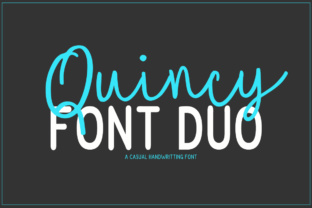
Quincy: A Handwritten Font That Balances Personality and Purpose
There is a moment in every project when you realize the typeface you are using just feels right. Not too stiff, not too whimsical—just a natural fit that makes the words look like they belong there. That is the kind of space Quincy occupies. This neat handwritten font sits somewhere between polished and personal, which is exactly why it keeps showing up in branding kits, wedding stationery, and small business identities alike. It does not scream for attention, but it also does not blend into the background. It simply works.
What Makes Quincy Stand Out in a Crowd of Handwritten Fonts
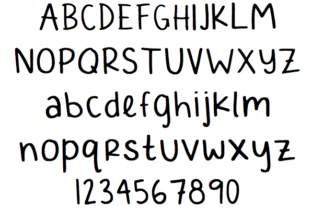
Most handwritten fonts lean hard in one direction—either they look like you scribbled them on a napkin, or they are so refined they lose all human warmth. Quincy avoids both extremes. Its letterforms are clean and deliberate, with just enough irregularity to feel authentic without looking messy. The strokes are consistent, the spacing is generous, and the overall impression is one of thoughtful ease. If this font were a person, it would be the friend who writes thank-you notes by hand and actually means every word.
The Quincy family includes a range of weights and styles that give you room to play. You are not locked into a single look. This is important because real projects demand flexibility. A bold weight might anchor a headline while a lighter version carries body copy or a secondary message. The family works as a cohesive system, which is rarer than you might think among handwritten typefaces. Many script and handwritten fonts offer one style and call it done. Quincy gives you options without overcomplicating things.
Visual Personality and the Right Kind of Imperfection
What draws people to Quincy is its readability. Handwritten fonts often sacrifice legibility for charm, but this one respects the reader. Descenders are clear, ascenders are tall enough to distinguish letters at a glance, and the overall rhythm of the typeface makes long strings of text surprisingly easy to follow. That is a big deal if you are using it for anything beyond a logo or a short tagline. Whether you are designing a set of social media graphics or laying out an editorial spread, you want people to actually read what you wrote.
The personality here is warm but not overly casual. It does not try to be your childhood handwriting or a calligrapher's masterpiece. It lands somewhere in the middle—approachable, confident, and down to earth. That makes it a strong candidate for brand identity work where you want to signal approachability without losing professionalism. A local coffee shop, a boutique stationery brand, a creative consultant—these are the kinds of businesses that benefit from Quincy's tone.
Where Quincy Shines Across Creative and Commercial Projects
One of the most common questions I hear from clients and fellow designers is whether a single font can carry a whole project. With Quincy, the answer is often yes, provided you use its family wisely. Because it comes in multiple styles, you can build a visual hierarchy without layering in a second typeface. That simplifies your workflow and keeps your designs consistent. Here are the areas where Quincy tends to perform particularly well.
Logo Design and Brand Identity
For small businesses and personal brands, Quincy offers a signature-like quality that feels memorable without being gimmicky. When used in a logo, it reads as intentional and crafted. Pair it with a clean sans serif font for supporting text, and you have a mark that works on a website header, a product label, or a storefront sign. The handwritten nature of Quincy adds a human touch that modern typography sometimes lacks. In a landscape full of geometric sans serifs and rigid serifs, a font like Quincy helps brands stand out by looking like they were made by real people.
Wedding Invitations and Personal Projects
Quincy is practically built for wedding stationery. Its neat, personal style fits save-the-dates, invitation suites, place cards, and thank-you notes without feeling overly frilly or decorative. If you have ever tried to find a handwritten font that works for both the couple's names and the event details, you know how rare that balance is. Many script fonts are too ornate for body text, and many handwritten fonts are too messy for formal occasions. Quincy threads that needle nicely. It also works for birth announcements, holiday cards, and any project where you want the text to feel like it came from you rather than a template.
Social Media Graphics and Digital Content
On screens, Quincy holds up well because its letterforms are open and clear. It does not get muddy at smaller sizes the way some handwritten fonts do. That makes it a solid choice for Instagram quotes, Pinterest pins, YouTube thumbnails, and blog post headers. The font's natural warmth translates well into digital spaces where audiences expect authenticity. If you are a content creator or blogger looking to establish a consistent visual voice, Quincy can become part of your recognizable style.
Packaging Design and Product Labels
Product packaging is all about first impressions. Quincy brings a handmade, artisanal feel to labels without looking amateur. Whether you are branding a line of candles, a small-batch hot sauce, or a skincare collection, this font gives the impression that care went into the product. It pairs naturally with minimal packaging layouts, kraft paper, and muted color palettes. The contrast between a clean handwritten font and a simple design structure often feels more sophisticated than a heavily decorated label.
How Quincy Influences Readability, Hierarchy, and Brand Perception
Readability is not just about whether people can decipher the letters. It is about how easily they move through the text, how quickly they find the information they need, and how the overall experience makes them feel about your brand. Quincy supports readability through generous spacing, consistent stroke widths, and a neutral slant that does not fatigue the eye. When used at appropriate sizes—larger for headlines, smaller but still legible for supporting text—it creates a clear visual hierarchy that guides the reader naturally.
From a brand perception standpoint, Quincy signals that you value both craftsmanship and connection. It is not the font you choose for a corporate law firm or a banking app. But for creative services, lifestyle brands, hospitality businesses, and personal projects, it communicates something specific: we care about the details, and we want you to feel welcome. That kind of emotional resonance is hard to engineer with a generic typeface, but Quincy makes it feel effortless.
Consistency Across Touchpoints
Using a font family like Quincy across your materials builds recognition. When someone sees your website, then your business card, then your product packaging, and the typography is consistent, that repetition creates trust. Quincy's range of weights helps you maintain that consistency without monotony. You can vary the weight for different applications while keeping the same DNA. Over time, that repetition trains your audience to associate the font's warm personality with your brand.
Practical Guidance for Choosing and Using Quincy
Before you commit Quincy to a project, take a few steps to make sure it fits. First, evaluate the tone you want to set. Quincy works best when your brand or project needs a human, personal feel. If your audience expects high formality or industrial precision, you might look elsewhere. But if warmth, approachability, and a touch of handmade charm are on your list, Quincy is a strong candidate.
Testing Font Pairings
Quincy pairs naturally with clean sans serif fonts like Montserrat, Open Sans, or Lato for a modern contrast. It also works alongside classic serif fonts such as Playfair Display or Garamond when you want a more editorial or refined look. Avoid pairing it with another handwritten or script font, as that tends to create visual competition. Give Quincy room to be the star, and let your secondary font handle structure and hierarchy. Testing a few combinations at different sizes will show you how the pairing behaves in real layouts.
Reviewing Included Styles and Weights
Take the time to look at what the Quincy family actually includes before you start designing. If your project calls for multiple text sizes or a range of emphasis levels, make sure the available weights support that. Quincy typically offers a regular weight for body text and bolder options for headlines, but confirm that the specific version you are using has the range you need. The more styles you have access to, the more flexible your design system becomes without adding extra fonts.
Readability Considerations Across Formats
Test Quincy at the sizes you plan to use. At large display sizes, it shows off its character and detail. At smaller sizes, it remains clean but you want to make sure the x-height and spacing still work for your specific application. If you are designing for print, request a physical proof if possible. If you are designing for screens, check how the font looks on different devices and at different resolutions. A font that looks perfect on your monitor may read differently on a phone or a printed page.
Commercial Licensing and Practical Use
Quincy is a commercial font, which means you need the appropriate license for your use case. If you are designing for a client or using it in products you sell, do not rely on free or personal-use versions. Invest in the proper commercial license so you and your clients are covered. This is one of those details that can cause headaches later if ignored. Many foundries offer tiered licensing based on the number of users or the scope of the project. Read the terms carefully, and when in doubt, reach out to the foundry directly. It is a small step that protects your work and your reputation.
In the end, Quincy earns its place in your font library not because it is flashy or trendy, but because it is reliable. It shows up ready to work across print, digital, branding, and personal projects. It brings a light personal touch without losing sight of professionalism. And it keeps you coming back to it project after project, which is the truest sign of a font that was designed with real use in mind. Whether you are a designer building a brand identity, a small business owner crafting your packaging, or a creative planning a wedding suite, Quincy offers something rare: a handwritten font that actually lets the message come through clearly.