Densfort: The Handwritten Font That Brings Warmth to Digital Design
Typography has a quiet but powerful way of shaping how people perceive a message. In recent years, the demand for fonts that feel less mechanical and more human has grown substantially. Among the typefaces gaining attention is Densfort, a handwritten font designed to bring a sense of personal connection to digital and printed materials. Whether used in formal invitations, casual social media posts, or layered over photographs, Densfort offers a subtle but meaningful shift away from the sterile uniformity of many standard typefaces. Its relevance today lies not simply in its appearance, but in what it represents—a broader move toward authenticity in visual communication.
Why Handwritten Fonts Are Gaining Traction
The shift toward handwritten typefaces reflects changing expectations in how brands and individuals communicate. Audiences have grown accustomed to polished, templated content. While clean sans-serif fonts remain popular for body text and corporate materials, many creators and business owners are looking for ways to break through the visual noise. A handwritten font like Densfort provides that break. It conveys a sense of effort, individuality, and spontaneity that readers often interpret as more trustworthy and approachable.
This trend is visible across multiple industries. Small business owners use handwritten-style fonts to make their packaging and social media graphics feel more artisanal. Wedding planners and event coordinators rely on them to communicate warmth and celebration. Freelancers and educators incorporate them into presentations and worksheets to soften the tone of information-heavy content. Densfort fits naturally into these contexts because it strikes a balance between legibility and character. It does not sacrifice readability for style, which is a common concern when choosing handwritten typography.
What Makes Densfort Stand Out
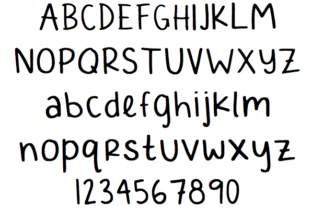
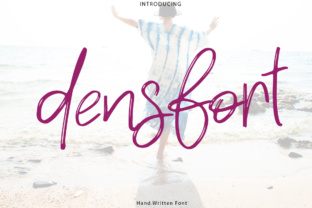
Densfort is not just another script font. Its letterforms carry a casual yet deliberate flow that mimics natural handwriting without appearing sloppy or overly stylized. The strokes have a consistent weight, making it suitable for both small and larger display sizes. This versatility is one of the reasons it works well across different formats—from a headline on a banner to a subtle overlay on a photograph.
Another practical advantage is its adaptability. Many handwritten fonts struggle when placed over images because their thin strokes get lost or their flourishes distract from the visual content. Densfort handles this scenario well. Its moderate spacing and clear character shapes allow it to sit comfortably on top of photos without requiring heavy outlines or drop shadows to remain readable. This makes it a reliable choice for content creators who frequently work with layered text and imagery.
Practical Applications in Everyday Creative Work
For those designing invitations, Densfort offers a natural starting point. Whether it is a birthday party, a bridal shower, or a casual gathering, the font adds a handcrafted feel that plain serif or sans-serif options often lack. Pairing it with a simple graphic or a neutral background can produce an invitation that feels personal and considered, even if it was created in a matter of minutes.
Banners—whether for websites, social media headers, or physical signage—also benefit from Densfort’s readability at scale. Because the letterforms remain open and distinct even when enlarged, the font retains its charm without becoming hard to read. Marketers and small business owners can use it to highlight promotions, announcements, or calls to action in a way that feels less corporate and more inviting.
Overlaying text on images is another area where Densfort excels. Photographers, bloggers, and social media managers often need to place text directly onto photos without disrupting the visual balance. Densfort’s moderate contrast and natural rhythm complement a wide range of photographic styles—from bright lifestyle shots to moody, muted portraits. It adds a layer of meaning without overpowering the image itself.
Realistic Use Cases Across Different Roles
- Freelance designers can use Densfort to add a human touch to mood boards, client presentations, and portfolio pieces. It helps differentiate their work from templated alternatives while still maintaining a professional finish.
- Educators and trainers find handwritten fonts useful for creating worksheets, course handouts, and slide decks that feel less intimidating to learners. Densfort’s clarity keeps the focus on the content while softening the overall tone.
- Entrepreneurs and e-commerce shop owners can incorporate the font into product labels, thank-you cards, and promotional graphics. Small touches like these often leave a lasting impression on customers and reinforce brand personality.
- Hobbyists and DIY creators appreciate how easy it is to work with Densfort for personal projects like scrapbooking, custom gifts, or party decor. The font removes the need for advanced design skills to achieve a polished, handmade look.
How Densfort Fits Into Modern Workflows
One of the practical concerns when adopting a new font is how well it integrates into existing tools and platforms. Densfort works across major design software, word processors, and web-based tools, making it straightforward to add to any workflow. Designers can install it and begin using it immediately without complicated setup or adjustments. This low friction is important for professionals who need to move quickly between projects and cannot afford to spend time troubleshooting compatibility issues.
For those producing content at scale, consistency is key. Using the same handwritten font across different types of materials—emails, social media posts, flyers, and website headers—helps build a cohesive visual identity. Densfort supports this goal by maintaining its character across formats and sizes. Whether embedded in a PDF invitation or applied as a text layer in a photo editing app, the font behaves predictably, which saves time and reduces guesswork.
The Shift Toward Authentic Visual Communication
The broader context for Densfort’s relevance is the ongoing shift in how audiences evaluate trustworthiness and quality online. In an era of polished filters, AI-generated content, and heavily curated feeds, there is a growing appreciation for elements that feel real and unpolished in a deliberate way. Handwritten typography taps into this preference. It signals that a real person was behind the message, which can be especially valuable for small brands, independent creators, and service providers who rely on personal relationships with their audience.
This does not mean that handwritten fonts are appropriate for every situation. They are generally less effective for lengthy body text, formal business correspondence, or highly technical documents. But when used intentionally and in the right context, they can elevate the emotional resonance of a message. Densfort, in particular, offers a versatile option for those moments where a personal touch makes a meaningful difference.
Choosing Densfort Over Other Handwritten Fonts
Not all handwritten fonts are created equal. Some lean too far into decorative territory, making them difficult to read in longer phrases. Others are too rigid and lose the spontaneous quality that makes handwritten type appealing. Densfort finds a middle ground. Its design is expressive enough to feel personal, yet restrained enough to remain functional across a range of uses. This balance is what makes it a practical choice for professionals and hobbyists alike who want to add warmth without sacrificing clarity.
When evaluating a handwritten font for a project, it helps to consider factors like stroke contrast, spacing, and how the font handles punctuation and numerals. Densfort performs well in these areas, offering a full character set that supports standard punctuation, numbers, and accented letters. This makes it suitable not only for English text but also for projects that require multilingual support or special characters.
A Practical Recommendation for Getting Started
For anyone considering adding Densfort to their design toolkit, a good starting point is to use it in a single application—such as a social media post or a simple invitation—and observe how it changes the tone of the piece. Compare it side by side with a more conventional font to see the difference in perceived warmth and approachability. Over time, you will develop a sense for where Densfort adds the most value and where a different style might be more appropriate.
It is also worth experimenting with pairing Densfort with other typefaces. Because handwritten fonts have a strong personality, they often work best when balanced with neutral, minimal fonts for supporting text. For example, using Densfort for a headline and a clean sans-serif for the body copy can create a pleasing contrast that guides the reader’s attention without feeling chaotic.
Looking Ahead: The Role of Handwritten Typography
The interest in handwritten fonts like Densfort is unlikely to fade as long as digital communication continues to dominate everyday life. People instinctively crave connection, and typography is one of the subtle tools that can either reinforce distance or close it. By choosing typefaces that reflect human expression, creators and businesses can make their content feel more accessible and relatable.
Densfort is not a solution for every design problem. But for the many situations where a personal, handcrafted feel is the goal, it offers a reliable and visually appealing option. As more professionals and creators look for ways to differentiate their work and build genuine connections with their audiences, having a thoughtful handwritten font in your toolbox is a small but meaningful advantage.