Understanding the Bandet Font Duo and Its Place in Modern Design
Selecting the right typeface is often one of the most consequential decisions in a design project. The choice affects readability, tone, and how an audience perceives a brand or message. Among the many options available, the Bandet font duo has gained attention for its distinctive brush-based character. For designers, marketers, and business owners evaluating typefaces, understanding what makes Bandet distinct—and where it fits best—can help avoid costly missteps. This article offers a practical, balanced look at Bandet, comparing it with similar options and helping you decide whether it serves your specific needs.
What Makes Bandet Distinct?
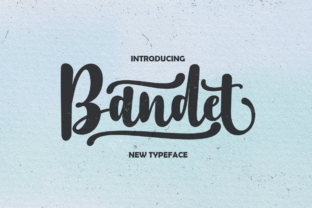
Bandet is a font duo composed of two brush-based fonts. Unlike single-weight typefaces or those with only minor stylistic variations, a duo typically provides two contrasting styles designed to work together harmoniously. In Bandet’s case, both fonts are brush-derived, meaning they carry the organic, hand-drawn quality of a physical brush stroke. This gives them a human, imperfect feel that stands apart from rigid, geometric fonts. One of the two fonts might be a more expressive, script-like brush style, while the other could be a cleaner, all-caps brush sans or a textured serif. The specific design choices within Bandet are aimed at versatility—allowing a designer to pair a strong headline face with a supporting text face while maintaining a consistent visual identity.
The brush origin is central to Bandet’s appeal. Brush fonts inherently contain variations in stroke width, slight irregularities, and a sense of movement. Bandet captures this without becoming overly sloppy or illegible. It retains enough structure to be useful for longer words or short phrases, but never loses the handcrafted warmth. This balance between controlled legibility and expressive artistry is a key differentiator from, say, a precise sans-serif family or a purely calligraphic script. For projects that need authenticity, personality, or a tactile feel, Bandet offers a ready-made solution.
Comparing Bandet to Other Brush-Based Options
Bandet exists within a larger ecosystem of brush fonts, script duos, and hand-drawn typefaces. Understanding how it compares helps you gauge its true value. Many brush fonts on the market are standalone—a single weight, often with limited character sets or only uppercase letters. A duo provides a built-in pairing, saving you the effort of hunting for a complementary typeface. Bandet’s two-font structure means you can create visual hierarchy (a bold, swooping headline with a more restrained, readable subhead or body) using fonts that share the same DNA.
Compared with other duos, Bandet stands out for the cohesiveness of its brush aesthetic. Some font duos pair a brush script with a clean sans-serif that feels disconnected—the two parts lack visual dialogue. Bandet’s duo likely maintains brush characteristics in both, so the relationship feels intentional. However, this also means the duo occupies a specific stylistic niche: it leans heavily into rustic, earthy, or handcrafted vibes. If your project requires a more polished, minimal, or futuristic look, Bandet might feel out of place. In contrast, a duo that pairs a brush script with a neutral geometric sans offers greater stylistic range, but less overall cohesion.
Another point of comparison is the level of detail. Some brush fonts are highly distressed, with rough edges and heavy texture. Bandet appears more refined—it preserves the brush feel but smooths out extremes. This makes it suitable for digital use (e.g., on websites, social media graphics) where excessively rough fonts can become muddy at small sizes. For print applications like posters or packaging, Bandet’s texture adds interest without compromising readability. In this sense, it bridges the gap between pure grunge and clean elegance, offering a middle path that many designers find practical.
Strengths
First, Bandet excels at conveying authenticity and human touch. Brands in the organic food, craft beverage, artisan goods, or creative services sectors often want to appear approachable and handmade. Bandet delivers that instantly. A coffee shop logo set in Bandet feels warmer than one in a generic sans-serif. Second, the pairing is ready-made. Designers save time and avoid pairing mishaps. Third, Bandet’s brush style retains good legibility for short texts—titles, taglines, product names—even at medium sizes. It also works well for accent words within a longer text block, creating emphasis without needing bold or italic.
Another strength is versatility within its style: you can use the two fonts to create variation. For example, the more expressive font for the main logo and the cleaner brush font for a supporting line or contact information. This keeps the overall look consistent but not monotonous. Because both fonts share brush qualities, the design feels orchestrated rather than accidental.
Tradeoffs and Limitations
On the other hand, Bandet is not a universal workhorse. Its brush nature means it should not be used for long bodies of text—reading paragraphs in a brush font quickly becomes fatiguing. Even the calmer of the two fonts is unlikely to match the readability of a standard serif or sans-serif at small sizes. Designers should limit its use to headlines, short subheadings, pull quotes, or decorative applications.
Furthermore, Bandet’s personality is strong. This can be a liability if your project needs to appeal to a conservative audience, such as in legal, financial, or medical contexts. A brush font in those fields may feel unprofessional or frivolous. Additionally, because Bandet is a duo rather than a full family, it may lack weights like light, thin, or black, and may not include small caps, old-style figures, or extensive language support. Before committing, check its character set to ensure it covers the diacritics or special characters you need.
Finally, the cost of a font duo can be higher than a single brush font. While many quality brush fonts are available at low prices, a well-crafted duo like Bandet represents additional design work. For a one-off project, a single font might suffice. For ongoing branding, the investment in a duo often pays off in consistency.
When Bandet Shines: Ideal Use Cases
Bandet is best suited for projects where a handcrafted, expressive, or organic feel is a priority. Consider these scenarios:
- Branding for artisanal products: Handmade soap, craft beer, small-batch chocolate, or farmer’s market produce. Bandet adds a tangible, authentic layer to the brand identity.
- Social media graphics: Overlaid on photos with natural textures (wood, stone, leaves), Bandet creates an inviting, scroll-stopping aesthetic.
- Packaging design: The brush strokes mimic the irregularity of real ink on paper or labels, making packaging feel personal rather than mass-produced.
- Event posters and invitations: For festivals, workshops, weddings, or art openings, Bandet conveys creativity and warmth.
- Headlines in lifestyle magazines or blogs: Paired with a neutral sans-serif body font, Bandet can become the accent that gives a layout character.
In these contexts, Bandet’s limitations become strengths. The lack of ultra-smooth precision is not a flaw—it’s the point. The human touch resonates with audiences seeking realness over perfection.
When to Look Elsewhere
Despite its appeal, Bandet is not the right choice for every project. Recognize these situations where you are better served by another typeface:
- Extended body copy: For any text longer than a sentence or two intended for continuous reading, choose a well-designed serif or sans-serif. Bandet should only appear in short bursts.
- Corporate communications: Annual reports, financial statements, legal documents, or client proposals call for neutrality and seriousness. Brush fonts undermine that tone.
- Very small sizes: At 10 or 12 points, brush textures can make glyphs hard to parse. Stick with crisp fonts for footnotes, metadata, or tiny labels.
- Minimalist or ultra-modern brands: If your aesthetic is clean, geometric, or tech-forward, Bandet’s organic feel will clash. A simple sans or modern serif instead.
- International audiences: If your text includes many special characters, scripts like Cyrillic or Greek, or extended Latin, verify Bandet’s coverage. Many brush duos focus on basic Latin and may lack full support.
Also consider that some projects need a more subtle expressive touch. Instead of a full brush duo, you might use a single brush font sparingly and combine it with a neutral partner that you already own. This can achieve a similar effect with more flexibility.
Making an Informed Choice
Selecting between Bandet and other options ultimately depends on your project’s tone, audience, and functional requirements. Start by defining your primary need: Is it to evoke warmth and craftsmanship? Or is it to ensure maximum readability and versatility? If the former, Bandet is a strong candidate. If the latter, look for a font family with many weights, clear readability, and broader stylistic range.
When evaluating Bandet specifically, download the specimen or test it in your design software. Try it in the actual context: a logo mockup, a social media post, a product label. Test the duo together—does the contrast create the hierarchy you want? Does the more expressive font overpower the supporting one? Also check kerning and spacing: brush fonts can sometimes have erratic spacing that requires manual adjustment. Bandet is likely well-crafted, but always verify.
Another practical step: Compare Bandet with one or two brush fonts you already know. Note differences in texture, stroke variation, and overall feel. This grounds your decision in firsthand experience rather than speculation.
Lastly, consider the long-term use. If you build a brand around Bandet, you commit to a specific visual personality. That can be powerful, but it also limits future flexibility. For a one-time campaign, the commitment is lower. For an enduring identity, think about whether Brandet’s style will still resonate in five years. The authentic, handcrafted trend has staying power, but no style is timeless for every brand.
Bandet represents a well-executed idea: two brush fonts that work in harmony. It offers a shortcut to a coherent, expressive look that feels deliberate and human. But like any tool, its effectiveness depends on using it in the right context. By understanding its strengths, acknowledging its tradeoffs, and matching it to suitable use cases, you can make a choice that supports your design goals without overpromising. The best font is not the most popular or the most distinctive—it is the one that fits your message, your media, and your audience.