Swift Terrors: Crafting Meaningful Visuals with an Asymmetrical Script Font
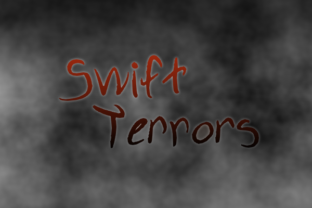
In the landscape of typography, fonts are rarely neutral. They carry tone, intention, and context. Swift Terrors, an asymmetrical script font with extended character support, occupies a distinct space in this ecosystem. It is not a font for passive reading. It demands attention. For professionals, creators, and decision-makers who understand that every visual element carries strategic weight, Swift Terrors offers a tool for precise communication. But like any tool, its value depends entirely on how it is used within a broader plan.
Understanding Swift Terrors as a Strategic Asset
Swift Terrors is not a conventional script font. Its asymmetry breaks the predictable rhythm of most handwritten or script typefaces. This irregularity can be leveraged to convey authenticity, motion, or even tension. The extended character support means it accommodates a wide range of languages and special characters, making it suitable for global audiences. For entrepreneurs and marketers, this is not just a design choice; it is a positioning decision. The font’s character can support goals around brand differentiation, emotional resonance, and visual memorability.
When integrated into a cohesive branding system, Swift Terrors can signal a brand that values nonconformity and deliberate craft. For publishers and content creators, using this font in headlines or key visual assets can create a focal point that enhances narrative impact. The key is to avoid treating it as decorative clutter. Instead, view it as a means to reinforce a message or evoke a specific response from the audience.
Aligning Font Choice with Goals and Planning
Before selecting Swift Terrors, consider what you aim to achieve. Is your goal to increase brand recognition? To convey creativity and expertise? To challenge conventional aesthetics in your industry? The font’s asymmetrical nature aligns well with brands that emphasize innovation, artistic expression, or human-centered design. For example, a creative agency might use Swift Terrors in a campaign to highlight uniqueness, while a consulting firm might reserve it for internal communications to inspire out-of-the-box thinking.
From a planning perspective, typography should not be an afterthought. Swift Terrors can be part of a deliberate visual hierarchy. Use it sparingly to emphasize key phrases, labels, or calls to action. Overuse can dilute its impact. Consider the context: in digital media, it may perform differently than in print. Extended character support ensures consistency across languages, which is critical for businesses targeting multilingual markets. Include typography in your project planning early to test legibility, readability, and audience reception.
Practical Examples for Different Audiences
For freelancers and small business owners, Swift Terrors can be a cost-effective way to differentiate a brand without hiring a custom type foundry. Use it in logo concepts, social media graphics, or website headers. Pair it with a neutral sans-serif body font to maintain readability. For educators, the font might appear in presentation titles or course materials where visual engagement matters. For bloggers and publishers, adding Swift Terrors to pull quotes or section headings can break the monotony of standard formats.
Professionals in marketing and customer experience should test how the font performs across touchpoints. Does it convey the right emotion on a product label versus a mobile ad? The asymmetry might work well for short statements but could distract in longer text. Extended character support allows for localized content without changing the brand’s visual voice. This is particularly valuable for international campaigns where consistency is a strategic priority.
When to Use Swift Terrors Intentionally
Intentionality is the foundation of effective design. Use Swift Terrors when you need to create a strong visual anchor. For example, in a limited-time campaign where you want to generate excitement, the font’s dynamic quality can support urgency. For a product launch focused on artistry, it can reinforce the creative credentials of the offering. In contrast, avoid using it for large blocks of body copy, regulatory text, or in contexts where clarity and speed of comprehension are paramount.
Consider the audience’s expectations. A financial services firm might find Swift Terrors too informal for client reports but appropriate for internal innovation workshops. A lifestyle brand targeting younger demographics may embrace its aesthetic as part of a deliberate strategy. The decision should stem from audience research and brand guidelines. If you are testing a new visual direction, use Swift Terrors in A/B tests to measure engagement and recall.
Planning Tips for Integrating Swift Terrors
Begin by mapping out the touchpoints where the font will appear. Prioritize high-visibility areas such as logos, hero images, and campaign headlines. Create mockups to see how it interacts with other design elements. Consider the emotional impact: does the asymmetry convey urgency, creativity, or something else? Align this with your message. Also, plan for scalability. Swift Terrors should remain legible at different sizes, from billboards to mobile screens. Test across devices and platforms to avoid unexpected distortions.
Incorporate feedback from your audience. If you are using Swift Terrors in customer-facing materials, gather qualitative insights on how people perceive it. This can inform whether it resonates as intended. For internal projects, involve team members from different departments to ensure the font supports collective goals. The planning phase is where you prevent costly redesigns and misaligned communications.
Common Pitfalls and How to Avoid Them
One common pitfall is using Swift Terrors in isolation without considering the full brand ecosystem. The font might clash with existing typography or visual motifs. Always check for harmony. Another issue is neglecting readability in small sizes. Script fonts often require generous spacing and larger point sizes to remain clear. Ensure your design has ample whitespace to let the font breathe. Finally, avoid using the font purely for novelty. If it does not serve a strategic function, it can appear gimmicky and reduce credibility. Use it only when it adds value to the message and audience experience.
Risks of Using Swift Terrors Without Clear Objectives
Without clear goals, any font can become a liability. Swift Terrors, with its pronounced asymmetry, can easily overwhelm a design if not balanced. It may appear chaotic or unprofessional in contexts that require restraint. Overuse can lead to visual fatigue, where the font’s distinctiveness becomes a distraction rather than an asset. Additionally, in digital environments, some script fonts have accessibility drawbacks. Ensure sufficient contrast and consider font size for users with visual impairments.
Extended character support might lull users into assuming global compatibility, but test the font rendering across languages and devices. Lack of testing can undermine planned launches. The risk is not just aesthetic but strategic: if the font conveys the wrong tone, it can erode trust. For example, using an asymmetrical script for serious health communications could misalign with the message. Always evaluate whether the font serves the content or competes with it.
Long-Term Considerations for Sustainable Use
Brands evolve, and typography should evolve with them. Swift Terrors may not be appropriate for every phase of a business. For startups focused on rapid growth, it might be a seasonal element. For established brands, it could become a signature identifier. Plan for its use over time: document style guides that specify where and how the font is applied. This ensures consistency as team members and contractors change.
From a productivity standpoint, having a clear typography system reduces decision fatigue. When Swift Terrors is reserved for specific roles, like headlines or decorative elements, creative teams can work faster without second-guessing. For entrepreneurs and decision-makers, this translates to more efficient operations and clearer communication across teams. The long-term value comes from alignment with business objectives, not from the font itself.
Decision-Making Framework for Typography Strategy
To use Swift Terrors effectively, adopt a decision-making lens. Start by defining the desired outcome: awareness, engagement, trust, or action. Then evaluate the font’s suitability against criteria like readability, scalability, and audience relevance. Involve stakeholders in the choice to ensure buy-in. Test the font in real contexts before committing. Finally, review its performance periodically to see if it still serves your goals.
For example, a publisher launching a series of books on design might use Swift Terrors on covers to signal aesthetic insight. A blogger focusing on personal growth might use it for motivational quotes. In each case, the decision is grounded in the audience’s expectations and the content’s purpose. This approach reduces the risk of random choices and builds a cohesive visual language over time.
Integrating Swift Terrors into Broader Communication Plans
Typography is one element of a larger communication strategy. Swift Terrors should complement other visual assets like color palettes, imagery, and layout. When planning a campaign, consider the journey from awareness to conversion. The font might appear early in the funnel to capture attention, but shift to simpler, more legible fonts in navigational or transactional pages. Extended character support enhances this flexibility by allowing the same font to carry different language versions without breaking the design.
For customer experience, consistency in typography builds familiarity. If Swift Terrors is part of your brand’s identity, use it consistently across paid ads, email headers, and landing pages. Inconsistency can confuse audiences and dilute brand equity. Similarly, for internal operations, using the font in presentations or reports can reinforce company culture, but ensure it does not hinder clarity in data-heavy documents.
Final Observations on Creative and Commercial Value
The value of Swift Terrors lies in its ability to convey a specific message visually. For creators and professionals, it is a resource that, when used with intention, can elevate projects from ordinary to memorable. It supports goals around differentiation, emotional connection, and audience engagement. However, it demands respect for its constraints. Thoughtful practitioners will use it sparingly, test rigorously, and align it with strategic objectives.
In a world where attention is scarce, every detail matters. Swift Terrors is not a shortcut to success, but a tool for those who understand the intersection of design and strategy. By approaching it with planning, context, and clarity of purpose, you can harness its asymmetrical character to communicate with honesty and impact. Whether you are building a brand, launching a campaign, or refining your creative output, let your goals guide the choice—not the trend.