Paradise: A Modern Script Font for Bold Creativity
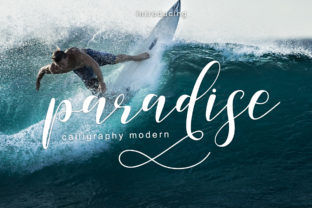
If you’ve been searching for a script font that feels fresh without being overly fussy, Paradise is worth a closer look. It strikes a balance between elegance and playfulness, offering over 390 glyphs that give you plenty of room to customize your text. Whether you’re working on a logo, a wedding invitation, or social media graphics, this typeface brings a handcrafted feel that connects with audiences. The decorative characters and OpenType features aren’t just gimmicks—they’re tools that help you shape a unique visual voice. For anyone building a brand or crafting content that needs to stand out, Paradise delivers a modern twist on the classic script style.
What Makes Paradise Stand Out
Paradise isn’t your standard cursive font. Its glyph set includes alternates, ligatures, and swashes that let you adapt the text to different moods and contexts. The letters have a natural handwritten quality, but with consistent spacing and proportions that keep projects looking polished. The decorative extras—like flourishes and tail variants—are particularly useful for logo design and editorial headers. You can use them to add a touch of whimsy or to anchor a serious brand with a soft, approachable edge.
The OpenType features are where Paradise really shines. With a quick toggle in design software, you can swap standard letters for stylistic alternates, enabling more dynamic layouts. For instance, a casual wedding invitation might use connected ligatures for a flowing look, while a boutique logo could lean on standalone swashes for emphasis. This flexibility means you’re not stuck with a one‑size‑fits‑all approach. You can tailor the font to match the project’s personality, whether that’s polished and refined or relaxed and friendly.
What I appreciate most about Paradise is how it avoids feeling repetitive. Many script fonts have a limited number of unique characters, which leads to obvious repeats in longer text. With over 390 glyphs, Paradise offers enough variation to keep headlines and short messages feeling organic. It’s a practical choice for designers who need a premium font that works across multiple touchpoints without looking tired or overused.
Where Paradise Works Best in Real Projects
Paradise excels as a display font, making it ideal for hero sections on websites, product packaging, and social media graphics. Its readability holds up well at medium to large sizes, so you can use it for subheadings or call‑to‑action text without losing legibility. In print, it’s a strong option for editorial design, particularly for pull quotes, chapter openers, or magazine spreads that need a focal point. The handwritten quality also makes it a natural fit for branding materials like business cards and letterheads, where a personal touch can set a small business apart.
For logo design, Paradise offers enough character to be memorable without screaming for attention. A local coffee shop or artisanal bakery might use it to convey warmth and craftsmanship. Similarly, digital creators can layer Paradise over photographs or illustrations for YouTube thumbnails, Instagram posts, or promotional banners. The decorative characters help draw the eye, which is exactly what you need in a crowded feed.
Packaging design is another area where Paradise shines. Products that emphasize natural ingredients, handmade processes, or a boutique feel benefit from the font’s organic style. For example, a honey label with Paradise on the front and a simple sans serif for ingredients creates clear visual hierarchy. The same approach works for candle packaging, skincare bottles, or even wine labels. In all these cases, Paradise adds a layer of storytelling that plain fonts can’t match.
How Paradise Influences Visual Hierarchy and Brand Perception
Using Paradise strategically can dramatically improve how audiences engage with your content. Because it’s a script font with a distinct personality, it naturally becomes the hero element in any layout. That means you’ll want to pair it with more neutral typefaces—like a clean sans serif or a classic serif—to avoid visual overload. A common pattern is to use Paradise for the main headline and a simple sans serif for body copy. This contrast creates a clear visual hierarchy: the script draws attention first, then the supporting font delivers the details.
From a brand identity standpoint, Paradise communicates approachability and creativity. It’s not a corporate font, which is exactly why it works for entrepreneur‑focused brands, lifestyle blogs, or creative agencies. The decorative characters add a sense of exclusivity and care, suggesting that the brand pays attention to detail. Consistency across materials—using the same display font in emails, social media, and print collateral—builds recognition and reinforces professionalism. Over time, audiences come to associate that distinctive script with the brand’s values.
That said, readability remains a consideration. Script fonts can be harder to read in long paragraphs, small sizes, or on low‑contrast backgrounds. Paradise handles shorter text well, but I recommend reserving it for headers, quotes, and short phrases. For longer content, stick with a reliable serif or sans serif. This combination keeps your design accessible while still capturing the handcrafted charm that Paradise brings.
Practical Guidance for Choosing and Using Paradise
Before you dive into a project, evaluate whether Paradise matches the tone you’re aiming for. It works beautifully for warm, friendly, or creative brands, but might feel out of place in formal or technical contexts. If you’re unsure, test a few variations of your text using the font’s OpenType alternates. This quick experiment helps you see how the font behaves with your specific words and layout.
Font pairing is another step worth investing time in. Paradise pairs well with simple sans serif fonts like Montserrat or Lato, which provide a neutral contrast. For a more traditional look, try a serif like Playfair Display. Avoid pairing Paradise with another ornate script font, as that can create visual clutter. Instead, let Paradise be the star. Also, pay attention to spacing—script fonts often need tighter tracking for headlines, but a bit more breathing room in longer phrases to maintain clarity.
When you download Paradise, take time to review the included styles and glyphs. Some versions may have multiple weights or stylistic sets, while others focus on one main style. Understanding what’s available helps you plan projects more efficiently. For commercial projects, double‑check the licensing terms. Many premium fonts require a separate license for use in logos, merchandise, or web embeds. A clear understanding of the commercial font license saves headaches later and ensures you’re using Paradise legally across all your work.
Realistic Examples and Design Observations
Let’s look at a few concrete scenarios. Suppose you’re designing a landing page for a wedding photography studio. Using Paradise for the main headline, “Your Story, Captured,” with a muted sans serif for the tagline beneath creates an immediate emotional hook. The decorative swashes can be used sparingly—perhaps on the first and last letters—to add elegance without overwhelming the composition.
Another example: a small batch jam company needs labels for three flavors. Paradise on the front for “Strawberry Rhubarb” paired with a minimalist sans serif for ingredients and net weight. The script font suggests artisanal quality, while the clean sans keeps the label readable at a glance. This approach builds a cohesive brand identity that feels both premium and approachable.
For social media graphics, try using Paradise with a faint drop shadow or a subtle outline to make it pop against busy backgrounds. Keep the message short—under five words—to maintain readability. A post for a boutique clothing brand might read “New Collection” in Paradise, with the brand name in a smaller sans serif below. The contrast draws the eye while reinforcing the brand hierarchy.
One observation I’ve made is that Paradise works exceptionally well in monochrome contexts. A black‑and‑white logo or a grayscale editorial layout lets the font’s details take center stage without competing with color. If you do use color, keep it simple—one or two hues at most—to avoid distracting from the typeface’s natural charm.
In the end, Paradise is a versatile addition to any designer’s toolkit. Its modern script style, combined with practical OpenType features, makes it suitable for a wide range of creative work. By pairing it thoughtfully with supporting fonts and reserving it for key moments in your layout, you can create designs that feel both personal and professional. Whether you’re a blogger, a small business owner, or a seasoned marketer, Paradise offers a way to infuse your projects with character without sacrificing clarity. Take the time to explore its glyphs, test it with your content, and let it elevate your brand identity or publishing work in ways that feel genuinely human.